

VOGUE Brasil, September 2013

Fashion Animal: expo do artista Steve Miller chega ao Fashion Mall
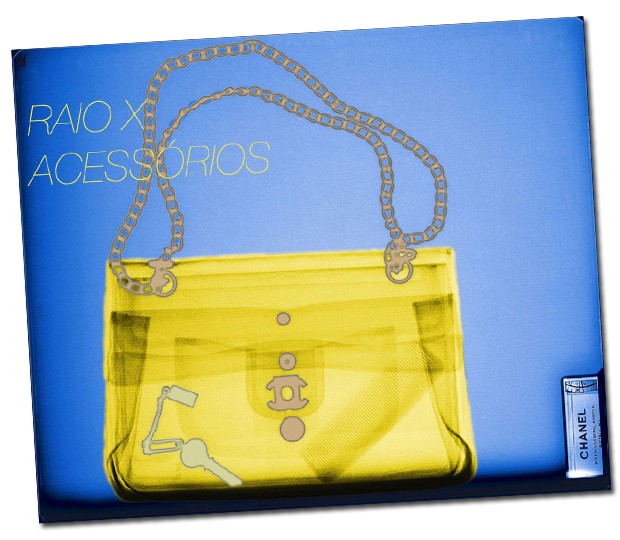
A terceira edição da ArtRio, maior feira de arte contemporânea do Rio de Janeiro, terá um braço no Fashion Mall. Entre os dias 12.08 e 08.09, o shopping em São Conrado abriga a exposição de fotos “Fashion Animal”, do artista americano Steve Miller.
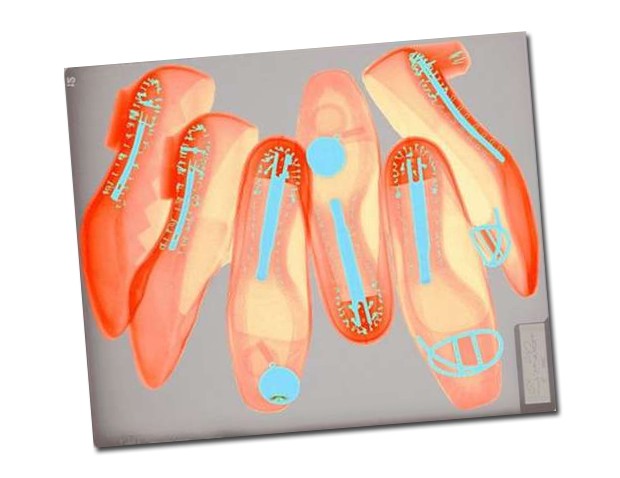
São 18 obras que fazem uma relação entre a natureza e a sociedade de consumo: com tratamento que remete a um raio x, os trabalhos de Steve trazem espécies da região amazônica brasileira (em p&b) e acessórios de moda, como bolsas, cintos e sapatos (coloridos). “O mundo da moda e o mundo animal têm um ciclo próprio de desejo, de consumo e de mudança. Ambos reluzem, seduzem e nos atraem como um tesouro”, diz o artista.
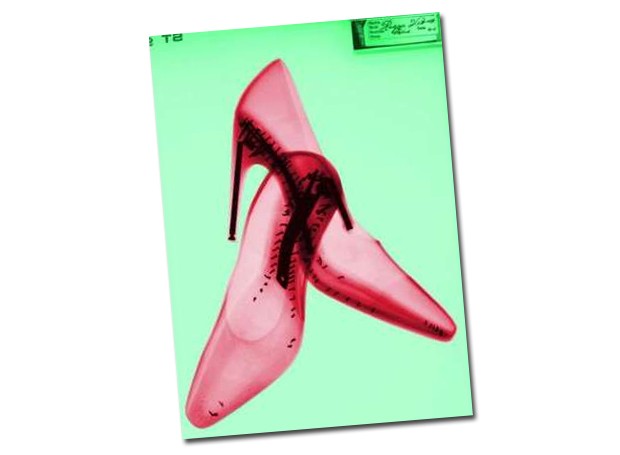
Para movimentar a mostra, o Fashion Mall prepara uma ação fashion para os visitantes da feira no Píer Mauá. Fará fotos de flagras de streetstyle, em alusão estilo do top fotógrafo Scott Schumann (que assinou a última campanha publicitária do shopping).
Sparkedscienceart.com, August 2013

DC exhibit spotlights the art of ion movement
New York artist Steve Miller’s impressive span of work over more than 30 years feels almost too vast to describe. It’s touched on the Amazon rainforest, x-ray technology, fashion, protein structures, and particle accelerators, to name but a few areas. His new “Crossing the Line” exhibit in Washington, DC, pulls together works from his collaboration with Nobel-Prize-winning chemist Rod MacKinnon.
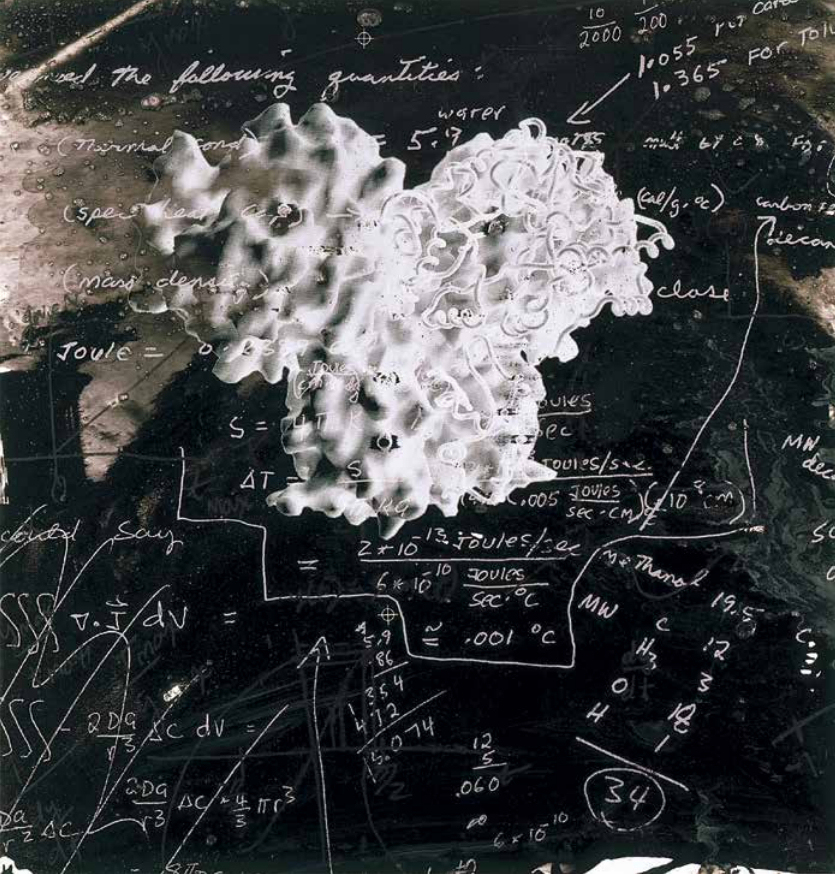
“Blackboard Jungle” from 2005. Dispersion and silkscreen enamel on canvas. All images are from “Crossing the Line” and are courtesy of Steve Miller.
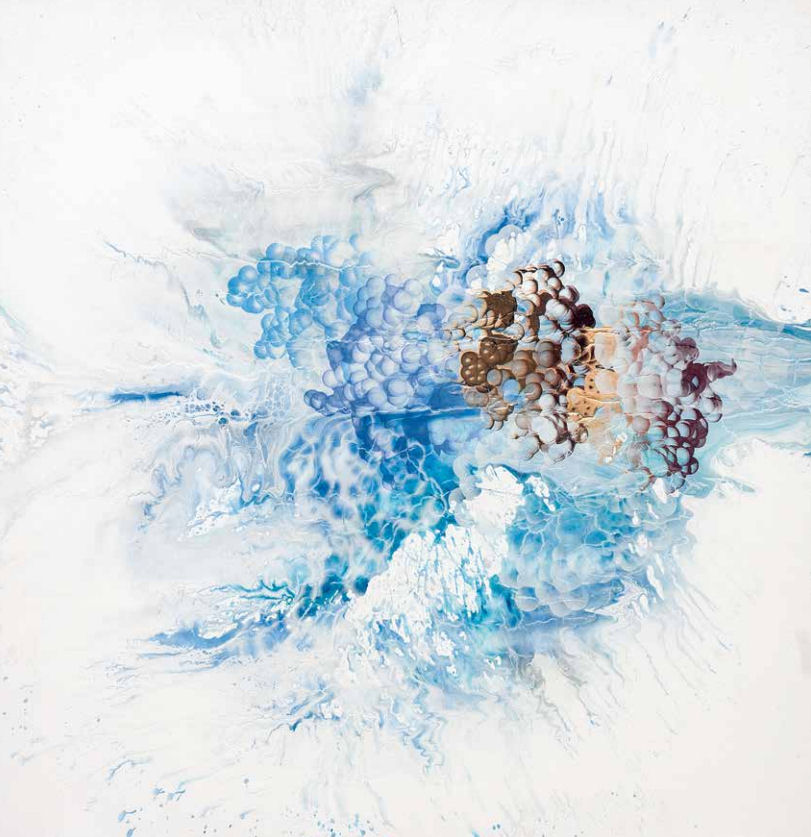
“Roam Free” from 2008. Dispersion and silkscreen enamel on canvas.
The collection, which features 11 paintings, is being shown at the National Academy of Sciences from August 5 through January 13. Miller and MacKinnon met at Brookhaven National Laboratory, which Miller first visited in 2000, according to an article by Steven Deitz.
At Brookhaven, he first collaborated with physicist Stephen Adler, producing the “Neolithic Quark”series, which contrasts early Chinese pottery with research data collected from the Relativistic Heavy Ion Collider particle accelerator — both of which investigate matter, in their own ways and in their own time periods.
“[The ‘Neolithic Quark’] project documents a conceptual timeline from the earliest efforts of civilization to the current scientific investigations about the nature of matter,” Miller writes on his website.
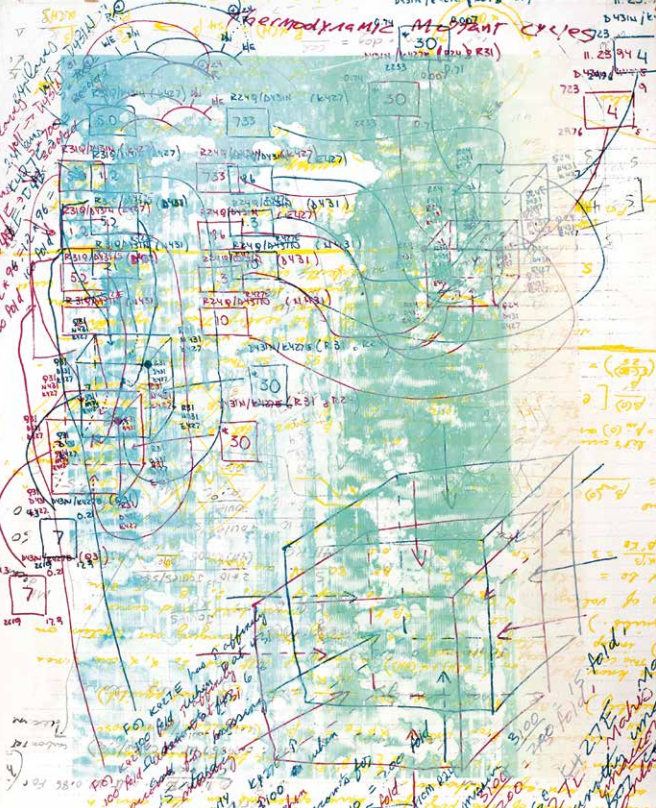
“Inscrutable Haze” from 2005. Dispersion and silkscreen enamel on canvas.
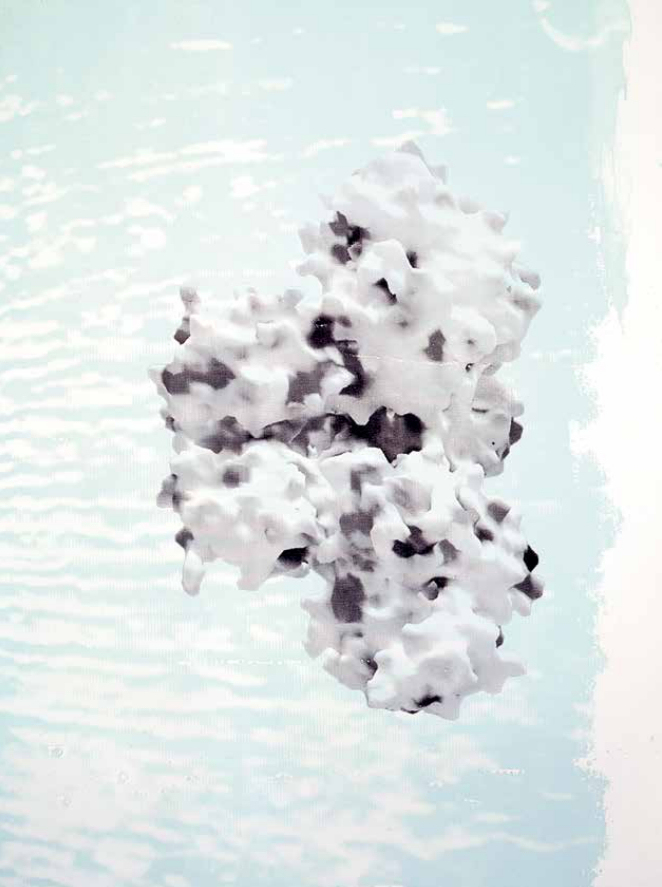
His work at Brookhaven eventually led him to MacKinnon, who won the Nobel Prize in Chemistry in 2003 for his research on the structure and function of ion channels. Miller’s work from this collaboration incorporates protein structures from MacKinnon’s investigations, the x-ray technology used, and even Mackinnon’s handwritten notes.
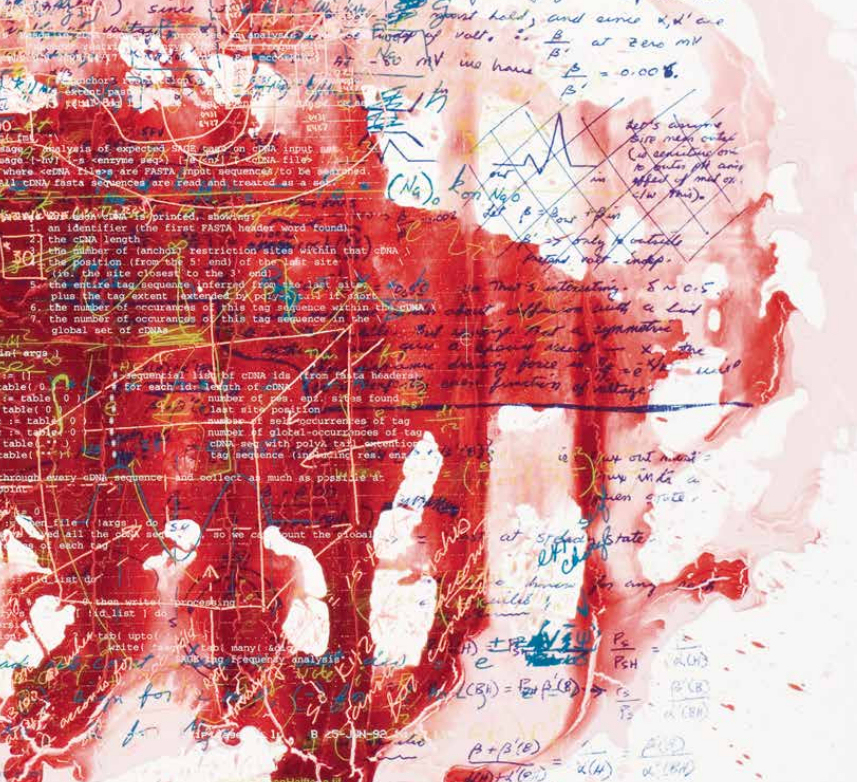
Detail of “Booming Demand” from 2012. Dispersion and silkscreen enamel on canvas.
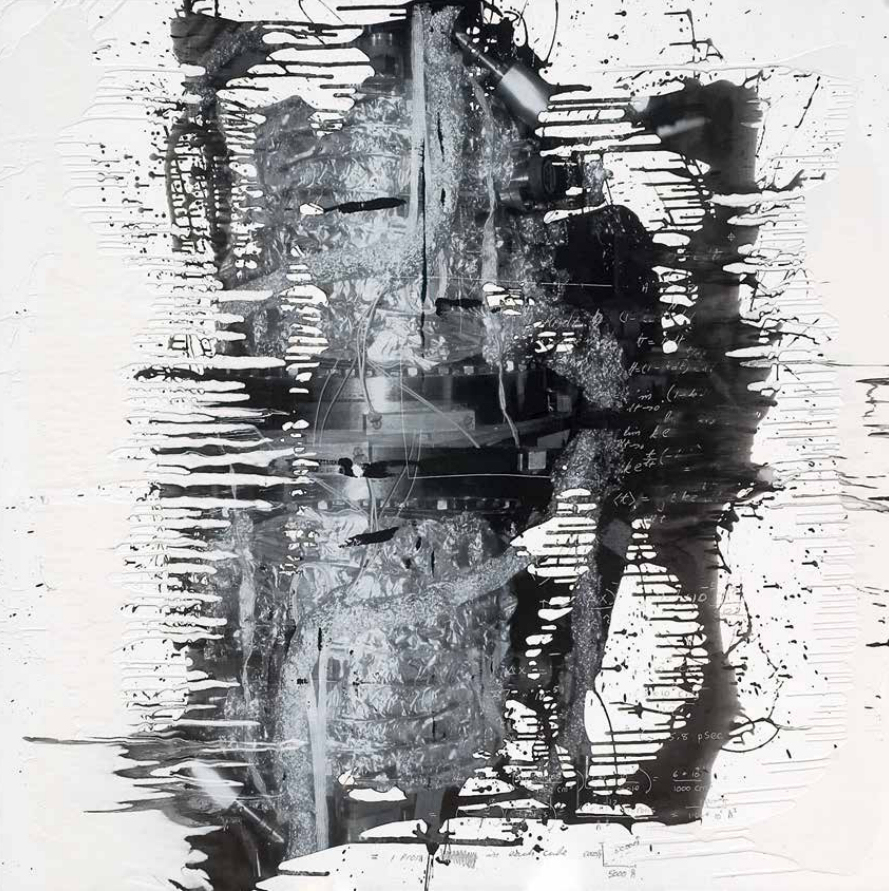
“If They Exist” from 2007. Dispersion and silkscreen enamel on canvas.
In 2007, items from the collaboration were featured at the Rose Art Museum at Brandeis University in a collection called “Spiraling Inward.” A number of those works are part of the current exhibit in DC, according to the “Crossing the Line” show catalog.
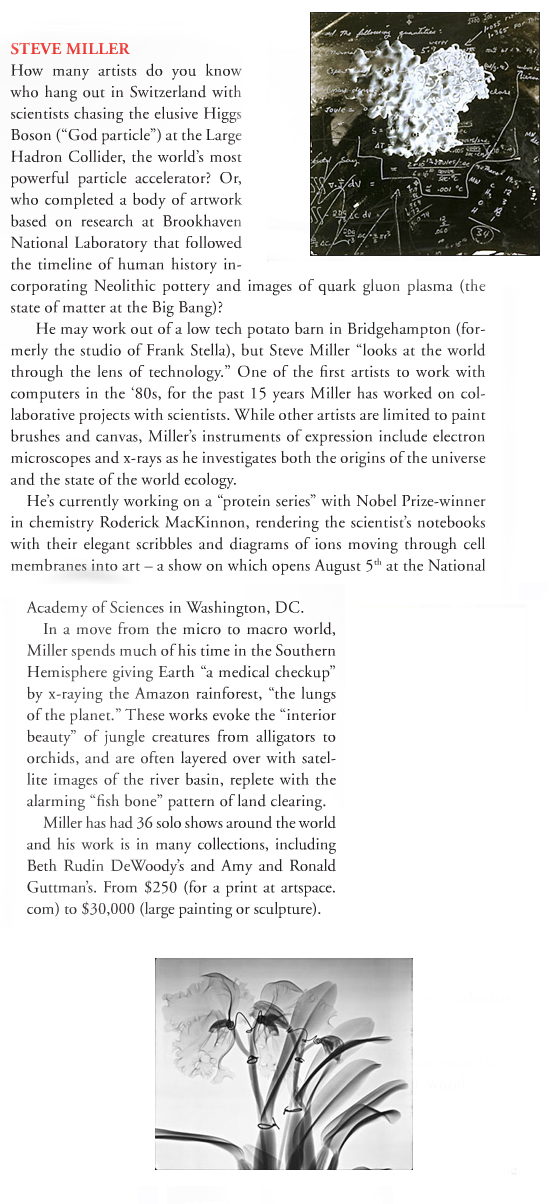
Other recent projects have taken a more environmental tack: For the “Health of the Planet” series, Miller traveled to Brazil and took x-rays of plants and animals in the Amazon rainforest, which he describes as the “lungs of our planet” on his site. The series shows the innerworkings of various flowers, seeds, and roots, among other items; some remain the translucent gray and white of x-rays, while others are splashed with brilliant color. The works were shown at the beginning of this year in a solo exhibit at Galerie Rigassi in Bern, Switzerland.
Regarding Miller’s combination of science and art, “Crossing the Line” curator Marvin Heiferman offers an interesting view:
Commenting on his long-standing interest in working with scientists, Miller says, ‘We’re all asking questions, trying to understand what forces make or shape who we are.’ For him, art and science are parallel dialogs about possibility; when they intersect, the context of each changes. What results, as these paintings reveal, can be unexpected, engaging, and powerful.
Concatenationsforum.org, August 2013
STEVE MILLER: Crossing the Line
 |
| Signal Relay, 2003, dispersion and silk screen on canvas, 50″ x 37.5″ |
STEVE MILLER (www.stevemiller.com) is a photographer, painter, and sculptor who has been making work at the intersection of art and science for over three decades. In his current exhibition at the National Academy of Sciences titled Crossing the Line, Miller presents a body of work based on his long-term collaboration with Nobel Prize-winning neurobiologist and biophysicist Rod MacKinnon. Curated by Marvin Heiferman, the show expands on an earlier exhibition by the artist that took place at the Rose Art Museum at Brandeis University in 2007. For the catalogue for the earlier show, which was curated by Michael Rush and titled Spiraling Inward, an extensive interview was conducted between Heiferman and Miller. What follows is an abbreviated version of that interview prefaced by Heiferman’s introductory essay for the current show along with a selection of images from both exhibitions. Concatenations thanks both curator and artist for permitting the republication of the texts here, and the artist for providing such a wealth of images.
Crossing the Line: Paintings by Steve Miller will be on view at the National Academy of Sciences in Washington, D.C. through January 13, 2014. The catalogue for the show can be accessed here:Crossing the Line catalogue. The catalogue for the show at the Rose, which contains essays by Michael Rush and Mark Auslander in addition to the full interview, can be found here: Spiraling Inward catalogue.
 |
| Factory, 2008, dispersion and silk screen enamel on canvas, 80″ x 120″ |
Crossing the Line: Paintings by Steve Miller
By Marvin Heiferman
By Marvin Heiferman
Over the past decade, Steve Miller has made numerous and provocative artworks based upon his collaboration with Rod Mackinnon, a Nobel-Prize winner in Chemistry in 2003. They met at Brookhaven National Laboratory in New York, when Miller, interested in advanced imaging, was working with scientists there and MacKinnon was investigating protein structures in order to better understand their functioning. Scientists and artists routinely make and rely upon images to problem solve in the course of their work. And so it was not surprising that Miller became fascinated with the visual nature, vocabulary, and tools of MacKinnon’s work: the graphic quality of his calculations and diagrams, the computer modeling he experimented with to grasp the three dimensionality of proteins, and X-ray crystallography technology itself.
MacKinnon was investigating how potassium ions moved across cell membranes. Miller’s work engages itself with the crossing of borders as well: moving back and forth between photography and painting, shifting from micro to macro scale, combining representational and abstract imagery and what is theorized with what can be seen.
Commenting on his long-standing interest in working with scientists, Miller says, “we’re all asking questions, trying to understand what forces make or shape who we are.” For him, art and science are parallel dialogs about possibility; when they intersect, the context of each changes. What results, as these paintings reveal, can be unexpected, engaging, and powerful.
 |
| We Need the Following Qualities, 2007, dispersion and silk screen on canvas, 38.5″ x 29″ |
Every Body a Spectacle: An Interview with Steve Miller
By Marvin Heiferman
Today, electronics and automations make mandatory that everybody adjust to the vast global environment as if it were his little home town. The artist is the only person who does not shrink from this challenge. He exults in the novelties of perception afforded by innovation. The pain that the ordinary person feels in perceiving the confusion is charged with thrills for the artist in the discovery of new boundaries and territories for the human spirit. He glories in the invention of new identities, corporate and private, that for the political and educational establishments, as for domestic life, bring anarchy and despair. — Marshall McLuhan, 1968 [1]
Marvin Heiferman: This quote by Marshall McLuhan, which I find myself returning to often, seems to suggest some ways to start this conversation about your work. In the past, you and I have talked about artists’ contributions to the visual language and their responses to the technology of their time. What is the visual language at work in your work.
Steve Miller: Visual language today is complex; I don’t think we can really say it is one thing or another. At first, I responded to McLuhan’s claim, that artists are the only people who don’t shrink from the challenge of facing up to novel perceptions, by saying, “Oh, yeah. Absolutely right.” But now that I’m thinking about it—and about Google, YouTube, and MySpace—it seems like everyone today is more comfortable communicating with and through technology, which I think is the point of the exhibition, in a way. What used to be considered specialty languages no longer are.
People understand that information, image, and language systems can change and change quickly. Every artist I know uses Photoshop, and so does everyone else. Anyone can capture and manipulate images—adjust, annotate, and distribute their snapshots, animations, and home movies. Today, visual culture is much less specialized than when I started out.
MH: When was that, and what kinds of ideas, images, and issues interested you then?
SM: In the early 1980s, I started to use computers to manipulate and translate images. I became increasingly interested in what happened when an image was reprocessed. Back then, you could put an image onto a computer and digitize it, have it automatically morph into another form of visual language, which seemed advanced at that time. You went to specialty studios and worked for hours on what can now be accomplished by pressing a single button on a home computer. But what was important to me was the notion that you could take an image, put it through a translation system, and automatically code it.
MH: If we’re talking about the visual language of culture at a specific time, can you talk about the images and specialized visual vocabularies of the time that you wanted to explore?
SM: My interest in the visual language of science and technology grew out of my growing disenchantment with painting. The habitual gestures of making paintings had become frustrating and were feeling meaningless. But because I like making paintings, I was caught in a contradiction. I was bored and frustrated, but I was still looking for new ways to bring some energy into the work. I started looking at Rorschach blots because they gave me a preexisting image to work with—somebody else’s piece of paint, not my own. In the course of appropriating those forms, I inherited their content. Since I didn’t want to paint Rorschach blots, I scanned images of them on a computer, made silk screens of them, and began to print them on canvas. By not being responsible for the image, by not being responsible for physically and traditionally painting an image, by having the meaning taken out of my hands, I found a perfect way to keep painting going for myself.
MH: But, then, what was left for you to do?
SM: What I started to appreciate was that inkblots tested for a kind of content I hadn’t been thinking about when I started this work. I was using images from science that were used to test, on some level, someone else’s psychic energy. Rorschach blots, from what I understand, while no longer used much, had once been thought useful in revealing pathology. Because the pathological aspects of culture fascinate me, I began to think about what else would constitute literal images of pathology. I started looking at medical textbooks, at images of viruses and cancers. I was interested in them both for what they were and what they looked like—completely abstract images as seen through an electron microscope. This was in 1987, when images like these weren’t widely reproduced. Looking at them was like being under water in a coral sea, or being on the moon surrounded by lunar rocks. All of a sudden, I realized there was a whole other world that couldn’t be seen by the eye but could be visualized through new technology. And the content of the images was really powerful, even if not very directly, at first, for a lay viewer.
MH: What interests me about images, all images, is that different communities make images for specific purposes and understand and use them differently, depending on their need, knowledge, and perspective. What was it like for you, a visual artist, to throw yourself into this new visual language of medical and scientific imagery?
SM: The beauty of these images, to me, is they are the biological, technological, scientific equivalents of the Rorschach blots. I didn’t know what these images meant; neither would anybody who wasn’t a scientist. So, to answer your question, a scientist might look at an image and see technical information. (“This is the virus.” “This is the cancer cell.” “This is the healthy cell.” “This is the cell in the bloodstream.”) A contemporary art observer, looking at the same image, sees something perhaps closer to surrealism, a crazy juxtaposition of unknown things. What became interesting to me about the work was that, in an art context, images that were literal and useful to some became abstract and useful in another way to others. Unless I specifically name the images, you don’t know what they are. So, viewers have the possibility of looking at paintings in a state of fantasy, of projecting onto them, or, at some point, going deeper and finding out what the images actually are of and about.
MH: How important is it, to you, that people know what they’re looking at?
SM: At one level, not important at all. I think art, especially painting, has to sustain viewing and work off of a certain level of visual interest. That has to do with aspects of surface, size, composition—all the technical, formal aspects of making a picture. Then, there’s that other aspect of engagement, when an artwork starts making you ask questions. In the case of my work, it’s logical to ask, “What is that? What am I looking at?” And if you do, that takes you to the next level of involvement. In the case of the work in this exhibition, if the wall label references my collaboration with Rod MacKinnon, who is a Nobel Prize winner in chemistry, that might lead you to ask some questions about painting or art history, about medicine and technology, or even, quite literally, about the meaning of life.
MH: Let’s talk about people’s fascination with, and fear of, scientific images that seem to require a specialist’s knowledge to understand.
SM: Since most people know little about molecular biology, this kind of specialized imagery can put viewers in a defensive position; it reminds them of how they struggled in high school math or chemistry. On the other hand, there are many ways to enter the work—other than dredging up memories of a set of equations on the chalkboard.
MH: You talked earlier about your disenchantment with painting and about people’s willingness to look at abstract images and test out something that’s not clear to them. Photography seems to help ease that transition and helps make people feel grounded in what they’re looking at. Photographic imagery plays a big role in your work; can you talk a bit about that?
SM: All of my work is photo-based. That’s interesting to me because, while it’s photo-based, you look at images that are microscopic, technical, and graspable, and yet there are no references in them to what looks like the real world. If you’re sitting in front of the painting, in this exhibition, called Potassium Channel, it looks pretty abstract. People have commented that it looks like “a landscape,” an “aerial view,” or “a satellite view of the world.” In fact, the painting features a detail of the X-ray crystallography machines that Rod uses at Brookhaven National Laboratory to image his protein structure, so he can understand their function. The photograph, then, is both literal and abstract, and that’s the part of photography that I love. What I also like about photography is that it’s a quick way to get an image; one click and you’ve got it.
 |
| Potassium Channel, 2007, dispersion and silk screen on canvas, 80.5″ x 81″ |
MH: Yet, the work is far from what you’d characterize as photographic. You’re painting and drawing on top of and around images all the time.
SM: I would say that ninety percent of my practice is drawing, which I love because I can work through ideas quickly. Painting is different, slower and more process-oriented. And, then, there’s another visual language at work here—the texts and notations that come directly from Rod’s notebooks, which I’ve photographed, and that introduce a whole other kind of mark-making and meaning.
MH: Rod’s texts suggest graffiti, which, historically, has played an interesting and sometimes controversial role in painting.
SM: All that text is a record of touch; it’s about human presence, which I like in the midst of all this technical imagery and information. The human touch and presence is important in this body of work; it reflects part of the process of a scientific discovery that’s important because it helps explain how we function physiologically, biologically, and on a molecular level. The images and the text in this work are metaphors for the process of inquiry, of looking inside of the work we have to do.
MH: Meaning?
SM: Meaning, scientists are looking for something, looking for meaning, but so am I. So are you. So are most thinking people. We’re all asking questions, trying to understand what forces make or shape who we are. Lots of people talk about that as being the job and a goal of both art and science.
MH: One of the things I like to talk about with both scientists and artists is their appreciation of, and fascination with, the process of searching and dealing with their work when things do or do not fall into place. You’ve spent a lot of time with scientists. What’s similar about the ways artists and scientists work, about how they visualize and find their way through problems?
SM: For painters, for instance, part of the beauty of a painting is knowing when to stop. There’s a famous Monet quote: “The difference between me and any others is I know when to stop.” If you overwork a painting, you kill it. With science, you keep going, no matter what. You keep exploring. And scientists keep looking, too, but the process is different; they work with very specific tools. The freedom in art is that you can let anything happen. When I talk to scientists, they never feel like they have that freedom to play. When I work with scientists and we start using the equipment, they always want to get everything in focus, to make everything work, to get me a certain kind of image. And I tend to say, “No. I want just the opposite of that. Do something you’ve never done before. Make it out of focus.” They love to do that, but the equipment is so expensive and their tools are so rare, they feel they can’t waste time and have to be efficient. The freedom of art is something scientists appreciate and, even, envy. One of the reasons I’ve been successful in working with scientists is because I give them the opportunity to play on someone else’s dime.
MH: A quality of the work in this exhibition that interests me is how, in the process of exploring the way that science is presented in imagery, there’s a sense of spectacle and of the spectacular at work. The work is big. The images have an explosive quality about them. There’s a sense of special effects at work. There’s a sense of friction and excitement in the constant juxtaposition of language and image, the drawn versus the photographic. The work suggests that every body, every cell, literally and figuratively, is a spectacle, that something big is going on and needs to be looked at. And that something even bigger is yet to come.
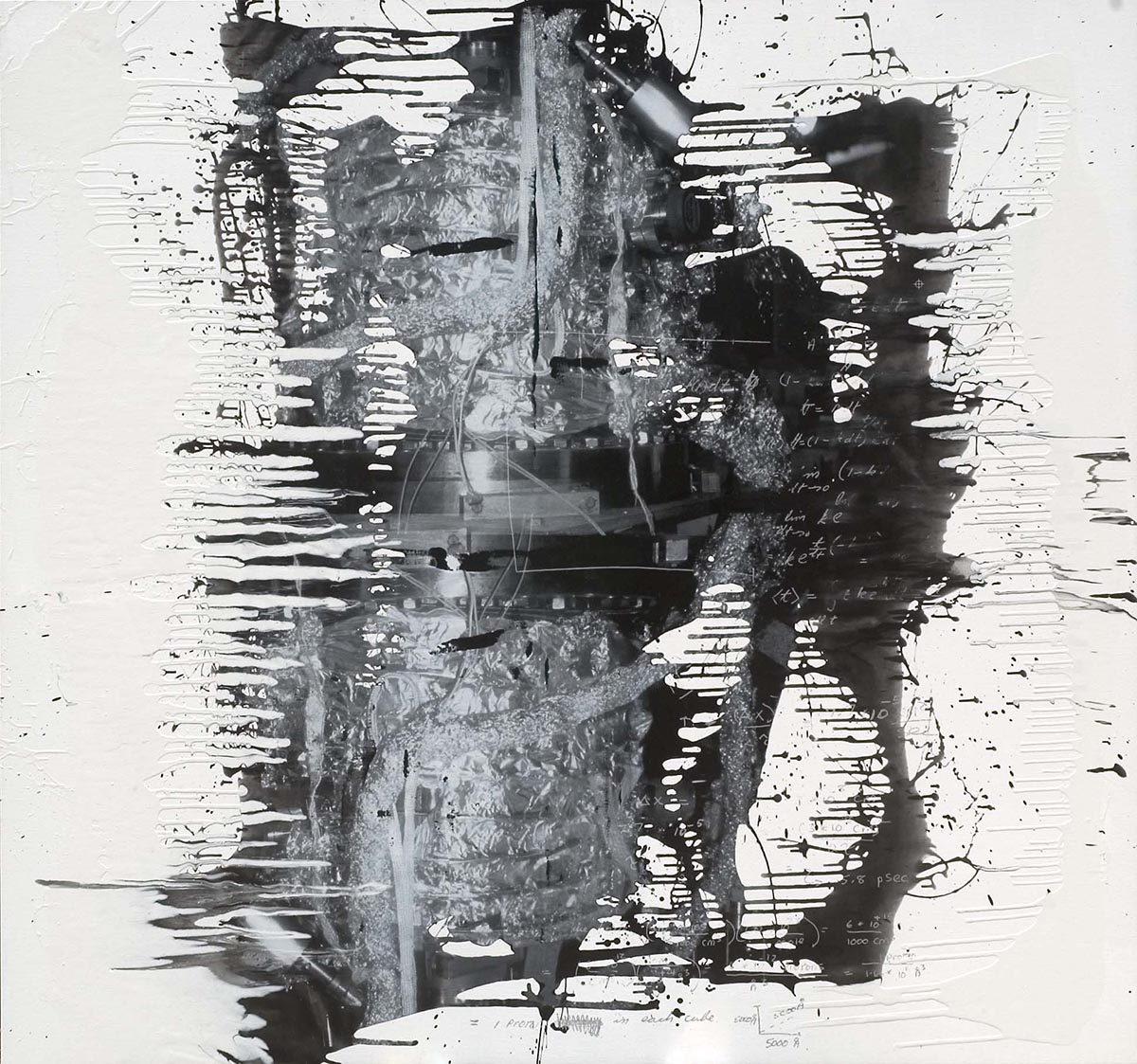 |
| If They Exist, 2007, dispersion and silk screen on canvas, 80″ x 81″ |
SM: I never thought about it that way until now, but the body is spectacular and the notion of spectacle is a big part of art and of culture. I’ve always been interested in work by artists like Jack Goldstein, who painted images of fireworks, volcanoes, and airplanes with contrails flying through the skies, dropping bombs. In work like that, there’s a sense of watching a spectacle from a distance. In my work, the spectacle is just as big, but it takes place close by and on a much smaller and more intimate scale. What Rod MacKinnon does in his work is astounding. He figured out how a positively charged ion moves across a cell membrane, from a protein to a cell, at a rate of a hundred thousand to a million ions per second. That’s a spectacle I never thought about as I was representing it, but when I step back and look at it, it is spectacular, on a macro-micro level. His work and the images it generates are cosmic in a sense; the ions he studies interconnect all of the electricity in the body so we can communicate with each other. Those are pretty incredible notions.
There’s another level of spectacle at work, too: the massive amounts of money being spent on this research. Drug companies stand to make huge profits when they find the specific protein that targets a specific cell that’s diseased. Which adds yet another level of complexity to the work: Science cures disease and makes money. The image of a virus or a protein that might kill or sidetrack disease looks beautiful in a painting. In that sense, the work mirrors the complexity of what’s going on in the world today.
MH: Since you’ve brought up macro-micro issues, let’s end by addressing the issue of scale in this work.
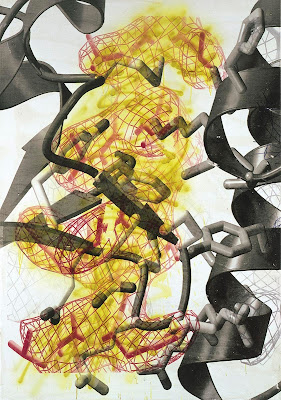 |
| Liquid Wrap, 2006, spray enamel, dispersion, and silk screen on canvas, 57″ x 39.5″ |
SM: Conventionally, scientists see their images reproduced small scale, in the lab or when they’re published in journals. An image might get blown up in a PowerPoint presentation, but this kind of imagery is seldom seen on a large scale, or in a context removed from everyday work and the laboratory. When art and science intersect, it changes the context, beefs up the scale, and alters responses to imagery in unexpected ways. Images of the smallest of things become images you can get lost in. Scientists may not need or necessarily want that kind of scale or distraction. They’re making science; they’re looking for specific solutions. I’m making art and trying to communicate with a different audience, and scale is just one of the ways I try to do that.
What’s ultimately important about all of this is that things and events minute in scale are monumental in terms of meaning and impact. Images are central to that process. Rod’s work employs image-making for its function. Art is about function, too, but of a different kind. My job is to use specific kinds of images to grapple with the experiences of life and of culture, and to engage viewers in a dialogue about possibilities.
[1] Marshall McLuhan and Quentin Fiore, War and Peace in the Global Village (San Francisco: Hardwired, 1997), 12.
Curator and writer Marvin Heiferman organizes projects about photography and visual culture for institutions that include the Museum of Modern Art, Smithsonian Institution, International Center of Photography, Whitney Museum of American Art, and the New Museum. A contributing editor to Art in America, Heiferman has also written for The New York Times, Artforum, Bookforum, Mousse, ArtNews, Aperture, and BOMB. His most recent book is Photography Changes Everything(Aperture, 2012), and new entries to Heiferman’s Twitter-based project, WHY WE LOOK (@whywelook) are posted daily.
Long Island Pulse, August 2013

Watching the Wheels
Inside artist Steve Miller’s fragile universe
Author: Drew Moss | Published: Friday, August 23, 2013

Roam Free, 2008, dispersion and silkscreen enamel on canvas, 80 x 78 inches
Sagaponack artist Steve Miller’s mind is focused on the fundamentals, but his work is wildly abstract and rife with imagination. Miller’s unique combination of hypermodern abstract expressionism and traditional scientific empiricism opens a portal not only into his creative realm, but also into the essential building blocks of the universe.

Miller’s art has taken him all over the world, but his most recent work goes beyond the beyond as it takes on the massive issues of global warming and environmental awareness. His Health of the Planet series starts out as a collection of X-ray images of Brazilian plant life.
Miller then manipulates those images by adding small touches of random Pollock-esque splatter to them, lending levity and creativity to their clinical representation of our inner world. The results are imaginative portraits of the engine that drives our living, breathing planet. When they sway in the breeze or shudder in the rain, our flora and fauna are doing the cosmic dance. And Miller is committed to capturing that inner energy, the strength and fragility of the hidden life that connects us all.
“The idea for Health of the Planet came to me when I was first visiting Brazil in 2005,” Miller said. “I was on an island called Ilha Grande where I experienced the Atlantic rainforest for the first time. I’ve never seen anything so abundantly green with fruits hanging from trees of an enormous size. The amateur scientist in me made me wonder what was inside these enormous fruits called jaca. I wanted to take them to a hospital to make an X-ray… If the forests of Brazil are the lungs of our planet, I would give Brazil a medical checkup by taking X-rays of these lungs. The science aspect of looking at these plants, animals and the earth lets us use a new lens under which we can study the patient Planet Earth. This lens reveals a fragile beauty in crisis.”
This environmentally conscious milieu, whether by design or fortune, has led Miller to the elusive crossover from art to commerce. His works are being featured in a line created by Osklen, a Brazil-based sportswear and clothing company with an environmentally conscious mission. “I love the collaboration with Osklen in Brazil because it lets you actually wear the message,” Miller said. “You don’t have to be a collector to afford my art. I’m using both art and fashion as a vehicle to disseminate the message about the urgency of our worldly situation. We’re in this fragile and delicate coalition with the notion of sustainability.”

One of the more compelling techniques that Miller employs to convey his message evokes the provocative graffiti of Jean-Michel Basquiat and even the “strategic signage” of French New Wave guru Jean Luc Godard. In many of his works, Miller uses the scribble of mathematical and scientific equations as both intellectual accent and whimsical distraction. As the mad chalkboard ramblings of scientists and mathematicians find their way into his panels, they form an ephemeral pastiche of scientific machination at work. The result gives us pause, gives us a chance to reflect on the big wheels at work and allows us to appreciate the efforts of those who attempt to understand those complex cogs.
“The language of science is mathematics,” Miller said. “The hand scribble of the scientific equation looks a lot like graffiti… Both graffiti and mathematical equations can appear to be abstract, incomprehensible and deeply human… Yet, I think everyone can appreciate the mystery and the beauty of the scientific scribbles. We can admire the scientific achievements achieved by the human mind as well as by artists… These tiny particles, which are described by the mathematical equations, are the subatomic units that connect all of us. If art can bring ideas together in the way particles can attract each other, then the notion of connecting to each other is [an] important one. It’s physically natural for particles to embrace and attract each other and the same principles apply to humans. I’m dreaming that my art can be a part of this process.”
Steve Miller’s work will be featured by the Robin Rice Gallery in lower Manhattan through September 15th. His clothing line is available at Osklen’s SoHo store. To see and learn more about Miller’s art and travels, visit stevemiller.com.

deboratessler.com, “Raio X do Brasil: a arte de Steve Miller”, July 2013

Raio X do Brasil: a arte de Steve Miller.
Por Débora Tessler

Renomado artista plástico de Nova York, Steve Miller é pioneiro em usar o computador na arte. Curioso em desvendar o funcionamento de tudo, encontrou na máquina de raio X uma nova linguagem artística: desde 1993 utiliza fotografia e lâminas de raio X em seus trabalhos. Miller customiza e sobrepõe imagens, gerando um resultado abstrato. Seu trabalho mais recente se chama Saúde do Planeta e envolve a Floresta Amazônica na criação de estampas que serão utilizadas pela marca brasileira Osklen na coleção de 2013. Em Nova York, Steve Miller conversou com Miriam Spritzer*:

O artista norte-americano Steve Miller
Em um português quase tão brasileiro quanto o meu, Miller diz que queria fazer umcheck up na Amazônia. A ideia era mostrar para o mundo as diferentes espécies de animais e plantas da região, de uma forma mais artística e inusitada – daí o uso do raio X. As impressões ficaram tão interessantes que não demorou para que a Osklen quisesse agregá-las à sua coleção.
Como você foi parar no Brasil?
Fui pela primeira vez ao Brasil em 2005, junto a outros artistas, a convite de Nessia Leonzini (Pope). Curadora brasileira residente em NY, ela estava montando uma feira de arte acessível – e eu contribuí com uma peça que era o raio X de um pé chutando uma bola de futebol. Nesta viagem fui ao Rio, São Paulo e Salvador. Tive vontade de ficar mais tempo no país, mas teria que ter alguma ideia para trabalhar no Brasil. Foi então que na Ilha Grande eu me deparei com a fruta jacá. Fiquei impressionado! Nunca tinha visto algo assim antes. Fiquei pensando no que haveria dentro dela e pensei que seria legal fazer um raio X dessa fruta. Decidi que se a Amazônia é o pulmão do mundo, como muitos dizem, faria um check up médico no Brasil com um raio X no seu pulmão.
Conte um pouco dos bastidores do seu trabalho no Brasil.
O projeto teve duas fases. Comecei em São Paulo, fazendo as imagens das plantas. Depois segui para o Pará, para realizar o trabalho com os animais. Tive muita ajuda de artistas locais e das pessoas que trabalhavam nos hospitais, produzindo as imagens. Geralmente começávamos às 6h da tarde e terminávamos os raios X de madrugada. Além disso, fizemos remote sensing image, uma imagem de satélite – da Bacia Amazônia, por exemplo.
Houve algum choque em relação à cultura brasileira?
Com certeza! Nós vimos exatamente o que é o Brasil. Em São Paulo as coisas foram rápidas, mas demorou três anos para que eu conseguisse toda a estrutura em Belém do Pará, onde eu precisava de uma estrutura maior – um zoológico e um hospital. O radiologista Otávio Lobo foi de extrema importância para a execução do projeto e ficou responsável pelo melhor centro de radiologia que já conheci. Também contei com a ajuda de um aluno meu, o brasileiro Fabrício Branda. Mas foi muito complicado de fazer tudo acontecer, tanto pelas diferenças culturais quanto pelo idioma. Dois exemplos: na primeira vez que marquei com o diretor do zoológico ele não apareceu na hora marcada (com o tempo aprendi que isso faz um pouco de parte da cultura brasileira). E, por outro lado, apesar de Otávio ter apenas marcado um encontro no hotel, fez conosco um verdadeiro tour pela cidade, nos levou para jantar, apresentou pessoas. Enfim, foi a definição de hospitalidade brasileira.

Trabalho do artista Steve Miller
Como você escolheu do que tiraria raio X?
Além dos animais típicos da Amazônia – jacaré, piranhas, bicho-preguiça e tamanduá –, escolhia tudo que eu achava interessante ou curioso, ou que poderia criar uma boa imagem. A jaca acabou ficando muito parecida com o pulmão humano, por exemplo. No mercado público de Belém, compramos os mais variados tipos de peixes. E no zoológico tive a ajuda do veterinário para selecionar os animais e também planejar como levá-los.
O que mais impressionou durante este trabalho no Brasil?
O tamanho do mercado das flores em São Paulo. É gigantesco! Além disso, a quantidade de espécies diferentes tanto lá quanto no zoológico de Belém. Fizemos um passeio de barco pelo Rio Amazonas, e aquela sensação de estar dentro da floresta é inexplicável. Admito também que queria muito levar um tamanduá para a casa, são muito bonitinhos, mas claro que não poderia. No aspecto negativo, fiquei muito surpreso com a falta de estrutura de alguns lugares: o zoológico de Belém não tinha nenhum tipo de documentação sobre os animais, muito menos aparelhos de raio X para a saúde deles.
Como surgiu a parceria com a Osklen?
Eu já conhecia a Osklen, sempre comprava alguma peça quando ia para o Brasil. Quando tive a ideia do projeto achei que seria interessante ter essas imagens em camisetas e bermudas, ainda mais porque a empresa tem a abordagem de ser socialmente responsável. Por casualidade encontrei com Oskar Metsavaht em um baile de gala do Brazil Foundation e fomos apresentados, ainda que eu não soubesse que ele era o estilista da marca. Conversamos e ele me contou que havia ido recentemente a Belém em busca de tecidos para as roupas. Foi aí que descobri que ele era o Oskar da Osklen! Então eu disse: “Tenho uma ótima ideia para você!”. E foi assim que a parceria aconteceu.

* Miriam Spritzer é coach de profissão, tem formação em administração e marketing e ainda transita pelo mundo do teatro musical. Mora em NY e está sempre atenta aos mais variados shows e exposições. É também correspondente internacional no programa Tudomais da TVCOM.
Washington Post, “Art Exhibits Inspired by Science Fiction and Medicine”, July 2013

Art exhibits inspired by science fiction and medicine

From Steve Miller – “Roam Free” is one of the paintings that artist Steve Miller based on the work of neurobiologist Rod MacKinnon.
By Maggie Fazeli Fard, Published: July 29
“The Alien’s Guide to the Ruins of Washington, D.C.” at the Corcoran Gallery of Art; “Crossing the Line” at National Academy of Sciences
Two new exhibits walk the line between art and science, displaying works inspired by science fiction and medicine.
“The Alien’s Guide to the Ruins of Washington, D.C.,” at the Corcoran Gallery of Art, looks at the modern world through the eyes of historians visiting Washington from another planet.
Artist Ellen Harvey imagines the city tens of thousands of years from now; humans are long gone and Earth is essentially an archaeological site. Her artwork represents how interplanetary visitors might see the ruins and relics left behind, focusing on Washington’s neoclassic structures. The idea is to see the city in the way tourists now visit Greece or Rome or Pompeii.
The exhibit’s self-guided tour features a map — the “Alien’s Guide” — of all the reconstructed sites, such as the White House and the World War II Memorial. Because of the predominance of columns and marble, the aliens refer to humans as “Pillar-Builders.” They label the Capitol “The Really Complicated Pillar-Thing” and the Lincoln Memorial “The Flat Pillar-Thing.” One gallery is an education room for alien children, teaching them about classic and neoclassic styles.
Harvey’s aliens make some hilarious assumptions. For example, because the Earth is largely covered by water, they assume humans were a semiaquatic species, living in oceans and spawning once a year while building pillar cities on land for some unknown reason. Because classic and neoclassic architecture is found worldwide, they conclude that humans were telepathic.
“Crossing the Line,” at the National Academy of Sciences, is a less-tongue-in-cheek exhibit. It features paintings by Steve Miller based on the work of Rod MacKinnon, a Nobel Prize-winning neurobiologist.
Miller’s paintings juxtapose photographs, drawings and silk-screened images with excerpts from MacKinnon’s notebooks.
According to an exhibition guide, the scientist and the artist met in 2003 at Brookhaven National Laboratory in New York. Miller was working with scientists there on advanced imaging practices and MacKinnon was investigating protein structures. It was “not surprising that Miller became fascinated with visual nature, vocabulary, and tools of MacKinnon’s work: the graphic quality of his calculations and diagrams, the computer modeling he experimented with to grasp the three-dimensionality of proteins, and X-ray crystallography technology itself,” says the guide.
The result is a series of pieces that, while based on reality in the most micro sense, take on a surreal, almost impressionist quality.
“The Alien’s Guide to the Ruins of Washington, D.C.” is on display through Oct. 6 at the Corcoran Gallery of Art, 500 17th St. NW. “Crossing the Line” opens Aug. 5 at the National Academy of Sciences, 2101 Constitution Ave. NW.
Art and Science Collaborations, “Steve Miller: Health of the Planet”, July 2013

Featured Member: July-Aug.2013
|


