

“Crossing the Line”, National Academy of Sciences, Washington DC, August 5th-January 13th 2014
Crossing the Line: Paintings by Steve Miller
August 5th, 2013- January 13, 2013
Crossing the Line: Paintings by Steve Miller
August 5, 2013 – January 13, 2014
National Academy of Sciences
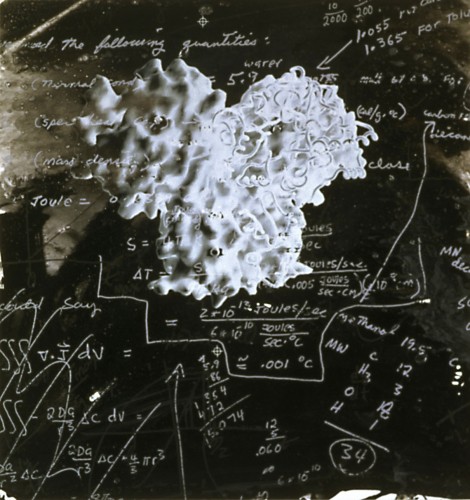
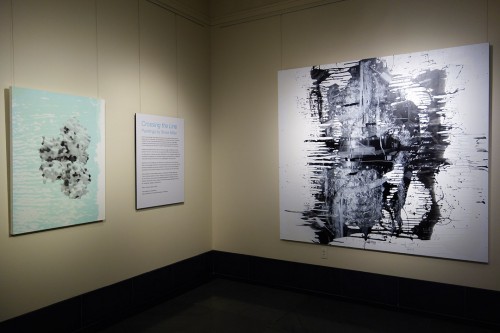
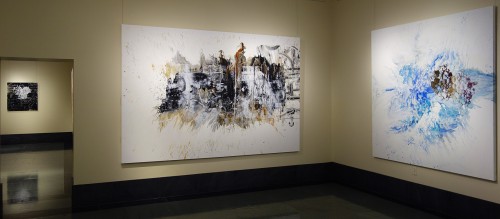
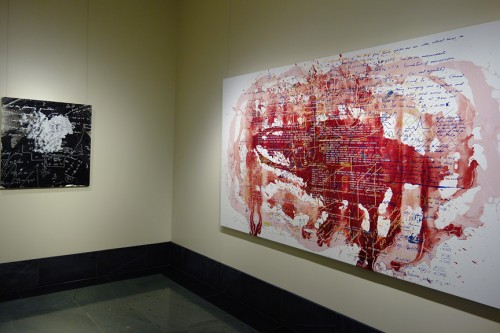
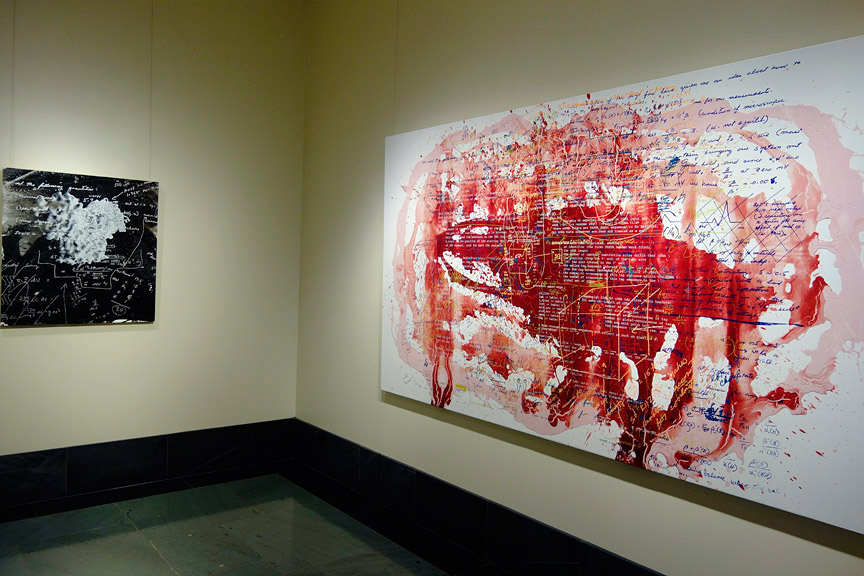
For the past decade, Steve Miller has made provocative artworks based on his collaboration with Rod MacKinnon, a Nobel Prize winner for his breakthrough work on the movement of ions across cell membranes. In paintings that juxtapose photographic, drawn, and silk-screened images with excerpts from MacKinnon’s notebooks, Miller’s work dissolves conventional distinctions between text and image to explore what distinguishes art from science.
PRESS:
Sparkedscienceart.com, “DC Highlights the Art of the Ion Movement”, August 25 2013
Concatenationsforum.org, “Steve Miller: Crossing the Line”, August 2013, Interview by Marvin Heiferman
Washington Post, “Art Exhibits Inspired by Science Fiction and Medicine”, July 29th, 2013, by Maggie Fazeli Fard
INSTALLATION IMAGES:
deboratessler.com, “Raio X do Brasil: a arte de Steve Miller”, July 2013

Raio X do Brasil: a arte de Steve Miller.
Por Débora Tessler

Renomado artista plástico de Nova York, Steve Miller é pioneiro em usar o computador na arte. Curioso em desvendar o funcionamento de tudo, encontrou na máquina de raio X uma nova linguagem artística: desde 1993 utiliza fotografia e lâminas de raio X em seus trabalhos. Miller customiza e sobrepõe imagens, gerando um resultado abstrato. Seu trabalho mais recente se chama Saúde do Planeta e envolve a Floresta Amazônica na criação de estampas que serão utilizadas pela marca brasileira Osklen na coleção de 2013. Em Nova York, Steve Miller conversou com Miriam Spritzer*:

O artista norte-americano Steve Miller
Em um português quase tão brasileiro quanto o meu, Miller diz que queria fazer umcheck up na Amazônia. A ideia era mostrar para o mundo as diferentes espécies de animais e plantas da região, de uma forma mais artística e inusitada – daí o uso do raio X. As impressões ficaram tão interessantes que não demorou para que a Osklen quisesse agregá-las à sua coleção.
Como você foi parar no Brasil?
Fui pela primeira vez ao Brasil em 2005, junto a outros artistas, a convite de Nessia Leonzini (Pope). Curadora brasileira residente em NY, ela estava montando uma feira de arte acessível – e eu contribuí com uma peça que era o raio X de um pé chutando uma bola de futebol. Nesta viagem fui ao Rio, São Paulo e Salvador. Tive vontade de ficar mais tempo no país, mas teria que ter alguma ideia para trabalhar no Brasil. Foi então que na Ilha Grande eu me deparei com a fruta jacá. Fiquei impressionado! Nunca tinha visto algo assim antes. Fiquei pensando no que haveria dentro dela e pensei que seria legal fazer um raio X dessa fruta. Decidi que se a Amazônia é o pulmão do mundo, como muitos dizem, faria um check up médico no Brasil com um raio X no seu pulmão.
Conte um pouco dos bastidores do seu trabalho no Brasil.
O projeto teve duas fases. Comecei em São Paulo, fazendo as imagens das plantas. Depois segui para o Pará, para realizar o trabalho com os animais. Tive muita ajuda de artistas locais e das pessoas que trabalhavam nos hospitais, produzindo as imagens. Geralmente começávamos às 6h da tarde e terminávamos os raios X de madrugada. Além disso, fizemos remote sensing image, uma imagem de satélite – da Bacia Amazônia, por exemplo.
Houve algum choque em relação à cultura brasileira?
Com certeza! Nós vimos exatamente o que é o Brasil. Em São Paulo as coisas foram rápidas, mas demorou três anos para que eu conseguisse toda a estrutura em Belém do Pará, onde eu precisava de uma estrutura maior – um zoológico e um hospital. O radiologista Otávio Lobo foi de extrema importância para a execução do projeto e ficou responsável pelo melhor centro de radiologia que já conheci. Também contei com a ajuda de um aluno meu, o brasileiro Fabrício Branda. Mas foi muito complicado de fazer tudo acontecer, tanto pelas diferenças culturais quanto pelo idioma. Dois exemplos: na primeira vez que marquei com o diretor do zoológico ele não apareceu na hora marcada (com o tempo aprendi que isso faz um pouco de parte da cultura brasileira). E, por outro lado, apesar de Otávio ter apenas marcado um encontro no hotel, fez conosco um verdadeiro tour pela cidade, nos levou para jantar, apresentou pessoas. Enfim, foi a definição de hospitalidade brasileira.

Trabalho do artista Steve Miller
Como você escolheu do que tiraria raio X?
Além dos animais típicos da Amazônia – jacaré, piranhas, bicho-preguiça e tamanduá –, escolhia tudo que eu achava interessante ou curioso, ou que poderia criar uma boa imagem. A jaca acabou ficando muito parecida com o pulmão humano, por exemplo. No mercado público de Belém, compramos os mais variados tipos de peixes. E no zoológico tive a ajuda do veterinário para selecionar os animais e também planejar como levá-los.
O que mais impressionou durante este trabalho no Brasil?
O tamanho do mercado das flores em São Paulo. É gigantesco! Além disso, a quantidade de espécies diferentes tanto lá quanto no zoológico de Belém. Fizemos um passeio de barco pelo Rio Amazonas, e aquela sensação de estar dentro da floresta é inexplicável. Admito também que queria muito levar um tamanduá para a casa, são muito bonitinhos, mas claro que não poderia. No aspecto negativo, fiquei muito surpreso com a falta de estrutura de alguns lugares: o zoológico de Belém não tinha nenhum tipo de documentação sobre os animais, muito menos aparelhos de raio X para a saúde deles.
Como surgiu a parceria com a Osklen?
Eu já conhecia a Osklen, sempre comprava alguma peça quando ia para o Brasil. Quando tive a ideia do projeto achei que seria interessante ter essas imagens em camisetas e bermudas, ainda mais porque a empresa tem a abordagem de ser socialmente responsável. Por casualidade encontrei com Oskar Metsavaht em um baile de gala do Brazil Foundation e fomos apresentados, ainda que eu não soubesse que ele era o estilista da marca. Conversamos e ele me contou que havia ido recentemente a Belém em busca de tecidos para as roupas. Foi aí que descobri que ele era o Oskar da Osklen! Então eu disse: “Tenho uma ótima ideia para você!”. E foi assim que a parceria aconteceu.

* Miriam Spritzer é coach de profissão, tem formação em administração e marketing e ainda transita pelo mundo do teatro musical. Mora em NY e está sempre atenta aos mais variados shows e exposições. É também correspondente internacional no programa Tudomais da TVCOM.
Washington Post, “Art Exhibits Inspired by Science Fiction and Medicine”, July 2013

Art exhibits inspired by science fiction and medicine

From Steve Miller – “Roam Free” is one of the paintings that artist Steve Miller based on the work of neurobiologist Rod MacKinnon.
By Maggie Fazeli Fard, Published: July 29
“The Alien’s Guide to the Ruins of Washington, D.C.” at the Corcoran Gallery of Art; “Crossing the Line” at National Academy of Sciences
Two new exhibits walk the line between art and science, displaying works inspired by science fiction and medicine.
“The Alien’s Guide to the Ruins of Washington, D.C.,” at the Corcoran Gallery of Art, looks at the modern world through the eyes of historians visiting Washington from another planet.
Artist Ellen Harvey imagines the city tens of thousands of years from now; humans are long gone and Earth is essentially an archaeological site. Her artwork represents how interplanetary visitors might see the ruins and relics left behind, focusing on Washington’s neoclassic structures. The idea is to see the city in the way tourists now visit Greece or Rome or Pompeii.
The exhibit’s self-guided tour features a map — the “Alien’s Guide” — of all the reconstructed sites, such as the White House and the World War II Memorial. Because of the predominance of columns and marble, the aliens refer to humans as “Pillar-Builders.” They label the Capitol “The Really Complicated Pillar-Thing” and the Lincoln Memorial “The Flat Pillar-Thing.” One gallery is an education room for alien children, teaching them about classic and neoclassic styles.
Harvey’s aliens make some hilarious assumptions. For example, because the Earth is largely covered by water, they assume humans were a semiaquatic species, living in oceans and spawning once a year while building pillar cities on land for some unknown reason. Because classic and neoclassic architecture is found worldwide, they conclude that humans were telepathic.
“Crossing the Line,” at the National Academy of Sciences, is a less-tongue-in-cheek exhibit. It features paintings by Steve Miller based on the work of Rod MacKinnon, a Nobel Prize-winning neurobiologist.
Miller’s paintings juxtapose photographs, drawings and silk-screened images with excerpts from MacKinnon’s notebooks.
According to an exhibition guide, the scientist and the artist met in 2003 at Brookhaven National Laboratory in New York. Miller was working with scientists there on advanced imaging practices and MacKinnon was investigating protein structures. It was “not surprising that Miller became fascinated with visual nature, vocabulary, and tools of MacKinnon’s work: the graphic quality of his calculations and diagrams, the computer modeling he experimented with to grasp the three-dimensionality of proteins, and X-ray crystallography technology itself,” says the guide.
The result is a series of pieces that, while based on reality in the most micro sense, take on a surreal, almost impressionist quality.
“The Alien’s Guide to the Ruins of Washington, D.C.” is on display through Oct. 6 at the Corcoran Gallery of Art, 500 17th St. NW. “Crossing the Line” opens Aug. 5 at the National Academy of Sciences, 2101 Constitution Ave. NW.
Art and Science Collaborations, “Steve Miller: Health of the Planet”, July 2013

Featured Member: July-Aug.2013
|


Rio Times, “Machinarium, Technological Art in Ipanema”, July 2013

Machinarium, Technological Art in Ipanema
July 16, 2013
By Levi Michaels
RIO DE JANEIRO, BRAZIL – The international art exhibit “Machinarium” opened on Sunday, July 14th, bringing the works of seven technology-based artists from five different countries to Oi Futuro in Ipanema. The installation explores the dichotomy of man and machine through a variety of visual media, including video, photography, projections, robotics and x-rays.
 International art exhibit Machinarium in Ipanema goes until Sunday, September 8th, photo courtesy of Louise Cavadinha.
Brazilian art critic Marisa Flórido has curated the inaugural opening of Machinarium, which occupies two floors of the cultural center Oi Futuro located at Rua Visconde de Pirajá, 54 – until Sunday, September 8th. Flórido selected the seven artists for their common interest in the artificial body and its links to human emotion.
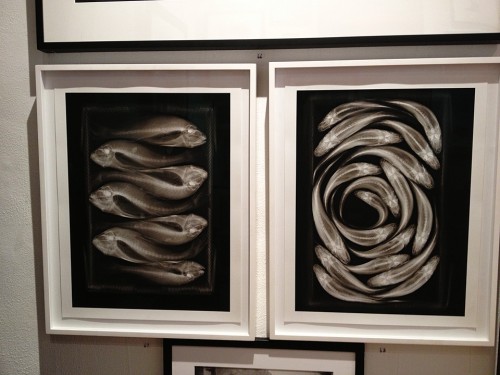
The first floor of the exhibit features works from three artists, including Steve Miller’s x-ray photographs of extinct animals, Marta de Manezes’ video projection of CAT scans taken during different actions, and Cris Bierrenbach’s x-ray photographs of the human body with sharp instruments inserted.
On the second floor, visitors will find Joseph Nechvátal’s simulation of a virtual virus ‘eating’ images, Herwig Turk’s video of DNA sequences projected onto an operating table, and Marta de Manezes’ ‘DNA clouds’ placed in glass.
Other works include Monica Mansur’s Silêncio/Endophilia, which combines video projections of vocal chords speaking the word ‘silence’ with images of the human colon injected with methylene blue, and Guto Nobrega’sBOT-anic, which features hybrid creations of plants with robotic systems that allow them to move around freely.
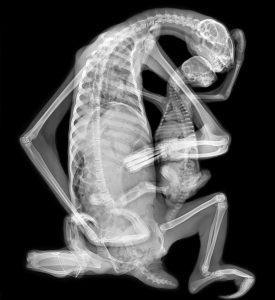 Fashion Animals; by American artist Steve Miller is one of eight exhibits to be featured in Machinarium, photo courtesy of Louise Cavadinha.
For Flórido, the machines displayed in the exhibit demonstrate human feelings and desires, terrors and pleasures. “They reflect the attraction between the sexes, the power relations between men, between man and myth, and between the man and the stranger that inhabit creator and creation alike,” she writes.
“Their mechanics resonate with eroticism, the potential of creation and destruction, the power of control, the servitude and rebellion of man and his automaton, with reason and nonsense, religious beliefs and anxieties of finitude.”
The selected artists include three Brazilians, Cris Bierrenbach of São Paulo and Monica Mansur and Guto Nóbrega from Rio, as well as four internationals: Joseph Nechvátal from Chicago, Steve Miller from New York City, Austrian national Herwig Turk, and Marta de Manezes from Lisbon.
“From the earliest cave paintings of men chucking spears at game to the great pyramids to the corpus of Leonardo Davinci and the virtual artists and life hackers of today, technology and art have had a crucial and important symbiotic relationship,” said Daniel Arnaudo, a visiting fellow from University of Washington who works in information technology. “[Machinarium] looks like a cool exploration of how this synergy exists today, and where it may be headed in the future.”
The exhibit is located in Oi Futuro in Ipanema (there is also one in Flamengo), a “social responsibility institute” funded by the communications company Oi with the intention of employing new technologies of communication and information in the development of projects in education, culture, sports, environment and social development.
The exhibit is open Tuesday through Friday from 3PM to 9PM, and Saturday and Sunday from 2PM to 9PM. Entrance is free to the public.
What: Machinarium art exhibit
Where: Oi Futuro, Rua Visconde de Pirajá, 54 – Ipanema
When: July 14th – September 8th, Tuesday – Friday: 3PM-9PM, Saturday – Sunday: 2PM-9PM
Entrance: FREE
Dan’s Papers, “Sagaponack Artist Steve Miller Featured in International Clothing Line”, August 2013

Sagaponack Artist Steve Miller Featured in International Clothing Line

STEVE MILLER CLOTHING LINE BY OSKLEN
AUGUST 14, 2013 BY OLIVER PETERSON
August has been a big month for Sagaponack artist Steve Miller. The mixed media painter recently opened his exhibition, Steve Miller: Crossing the Line, at the National Academy of Sciences in Washington, DC (through January 13, 2014) and a new line of clothing and surfboards featuring his art will be available soon in New York and Japan.
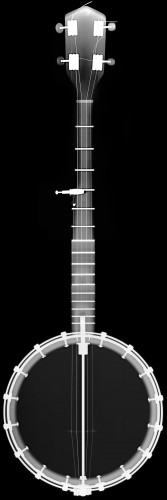
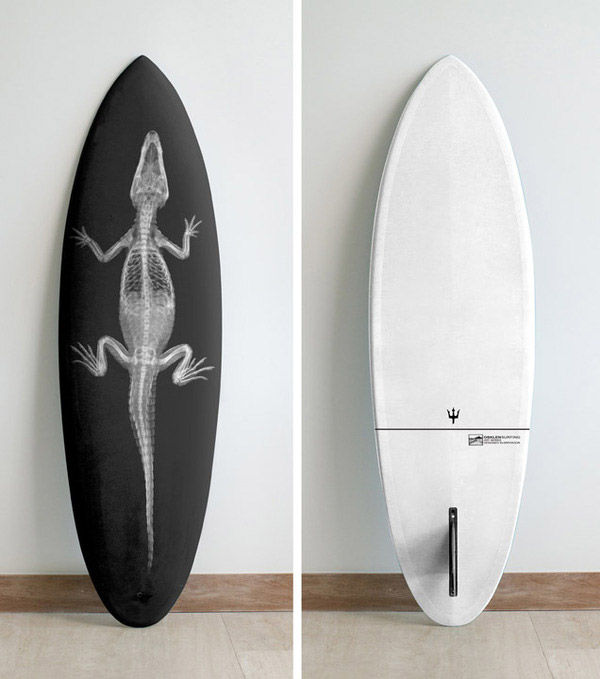
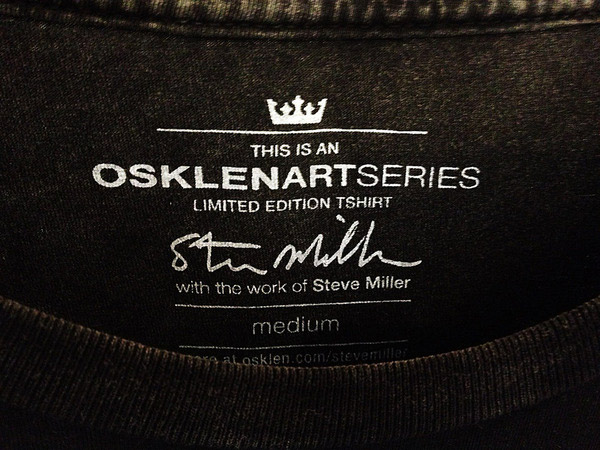
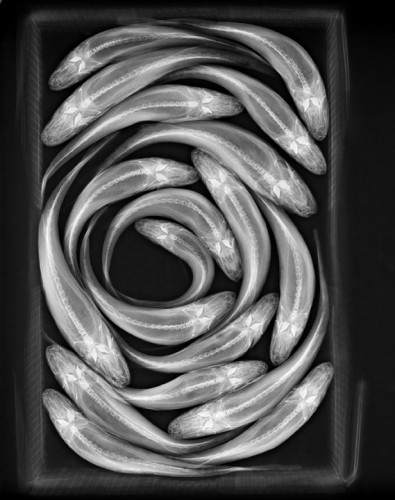
The collaborative design project with Oskar Metsavaht and Eduardo Varela of the Brazilian fashion company Osklen, uses Miller’s work on various limited edition pieces as part of the Osklen Art Series. His clothing is currently available in Rio and Sao Paulo, Brazil—where Miller is quite popular—and will be appearing soon at Oskeln stores in Japan and New York. The shirts, sneakers, shorts and surfboards feature X-ray images of rainforest life, such as a lizard, school of piranha, exotic flora and a crocodile, from Miller’s Health of the Planet series of artworks.
Since August 12 and through September 9, Art Rio is also sponsoring a series of light box walls at the Brazilian “Fashion Mall” with the participation of Osklen in separate promotions in Sao Conrado and their stores in Ipanema and Rio de Janeiro.
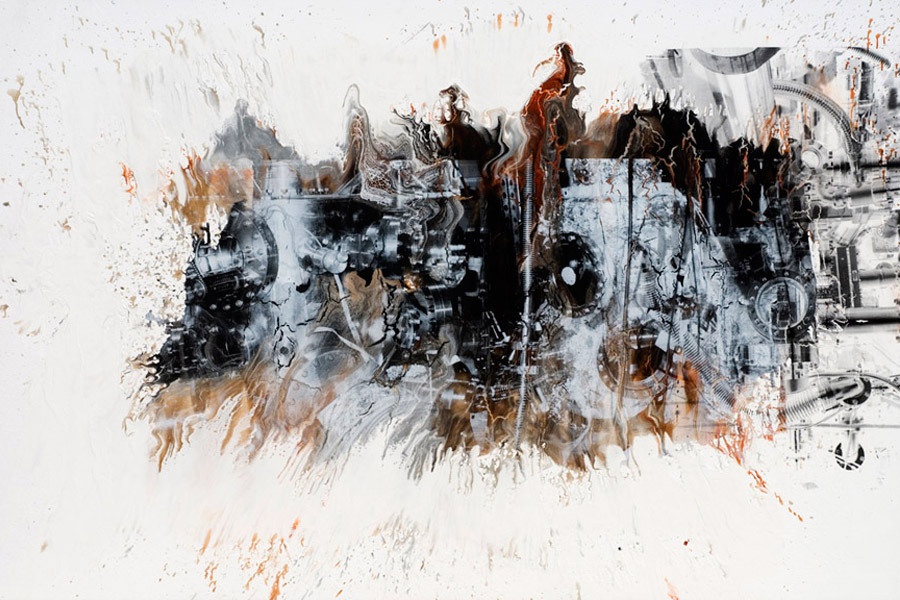
Miller’s show in Washington includes paintings based on the work of Nobel Prize-winning neurobiologist Rod MacKinnon, juxtaposing photographs, drawings and silk-screened images, along with excerpts from MacKinnon’s notebooks. The artist’s work in both the clothing and Steve Miller: Crossing the Line demonstrate his penchant for combining art and science, and he often uses scientific instruments and tools to accomplish his striking and contemplative pieces.
To learn more, visit the National Academy of Sciences website at cpnas.org, the Osklen website at osklen.com or stevemiller.com.
New York Spy, August 2013


X-Ray of Brazil: The Art of Steve Miller
by Miriam Spritzer • Aug 5, 2013
Renowned artist from New York, Steve Miller is a pioneer in using the computer in art. Curious to unravel the functioning of all, he adopted the X-ray machine as new artistic language: since 1993 photography and X-ray slides are seen in his work. Miller customizes images, creating an abstract result. His most recent work is called Health of the Planet and involves the Amazon Rainforest in creating prints that will be used by the Brazilian brand Osklen collection in 2013. In New York, Steve Miller spoke with Miriam Spritzer.

Steve Miller
In a Portuguese almost as Brazilian as mine, Miller says he wanted to do a medical check up on the Amazon. The idea was to show to the world the different species of animals and plants of the region, in a more artistic and unusual way – hence the use of X-ray. The prints were so interesting and beautiful that it didn’t take long before Osklen wanted to incorporate it to it’s collection.
How did you end up in Brazil?
I first went to Brazil in 2005, along with other artists, we were invited by Nessia Leonzini (Pope), a Brazilian curator living in NY. She was putting together an affordable art fair – I contributed with a piece that was the X-ray of a foot kicking a soccer ball. During this trip I went to Rio, São Paulo and Salvador. I had the wish to spend more time in the country, but would have to have some idea to work in Brazil. Then at Ilha Grande I came across a jackfruit. I was so impressed! I have never seen anything like this before. So I started to wonder what would be inside of it and thought it would be cool to do an x-ray of this fruit. Then I decided that if the Amazon are the lungs of the world, as many say, I would make a medical check up in Brazil with an X-ray in his lung.
Tell us a little bit about the backstage of your work in Brasil.
The project had two phases. I started in São Paulo, making images of plants. Then moved to Pará, to do the work with the animals. I had lots of help from local artists and the people who worked in hospitals, producing the x-ray images. Generally we started at 6 pm and finished up the X-rays by dawn. We also did remote sensing image with a satellite of the Amazon Basin, for example.
Was there any cultural shock with the Brazilian culture?
For sure! We saw exactly what Brazil really is. In São Paulo things were fast, but it took three years for me to get the whole structure set in Belém do Pará, it was where I needed a larger structure – a zoo and a hospital. The radiologist Otávio Lobo was extremely important for the implementation of the project and was responsible for the best radiology center I have ever seen. Also I had the help of a student of mine, the Brazilian, Fabricio Branda. But it was very complicated to make it all happen, both by cultural differences and by language. Two examples: The first time I arranged with the zoo’s director, he did not show up at the appointed time (with time I learned that it is a little part of Brazilian culture). And, on the other hand, although Otávio only have an appointment at the hotel, he gave us a real tour of the city, took us to dinner, introduced us to people. Anyway, it was the definition of Brazilian hospitality.

How did you choose what you were going to X-ray?Besides the typical animals of the Amazon – Alligator, piranhas, sloths and anteaters – I chose everything I thought interesting or curious, or that could create a good image. The jackfruit ended up being very similar to the human lung, for example. On the public market of Belem, we bought all kinds of fish. And the zoo we had the help of a veterinarian to select the animals and also plan how to get them.
What did you find most impressive during this work in Brasil?
The size of the flower market in São Paulo. It is gigantic! Furthermore, the amount of different species that could be found there or at the Belém Zoo. We did a boat trip on the Amazon River, and that feeling of being inside the forest is inexplicable. I admit too that really wanted to take an anteater home, they are cutest things, but of course it is not possible. On the negative side, I was very surprised at the lack of structure in some places: the zoo of Belém did not have any kind of documentation about the animals, much less X-ray machines for their health.
How did the partnership with Osklen begin?
I already knew Osklen for a while, used to always buy something there when I went to Brazil. When I had the idea for the project I thought it would be interesting to have these images in shirts and shorts, and even more because the company has the approach to be socially responsible. By chance I met Oskar Metsavaht at Brazil Foundation gala we were introduced and I did not know that he was the designer brand. We talked and he told me he had recently gone to Belém in search of fabrics for clothing. It was then that I discovered that he was the Osklen’s Oskar! So I said: “I have a great idea for you”. And so the partnership happened.
* This article was originally published on RMmag.
“Machinarium”, Oi Futuro Ipanema, Rio de Janeiro, July 13th-September 8th 2013

“Sloth Pieta” 2011, carbon inkjet on paper, 26 x 24 inches, courtesy Galeria Tempo, Rio
Oi Futuro Ipanema, “Machinarium”
July 13 – September 8, 2013
54 Rua Visconde de Piraja, Ipanema, Rio de Janeiro

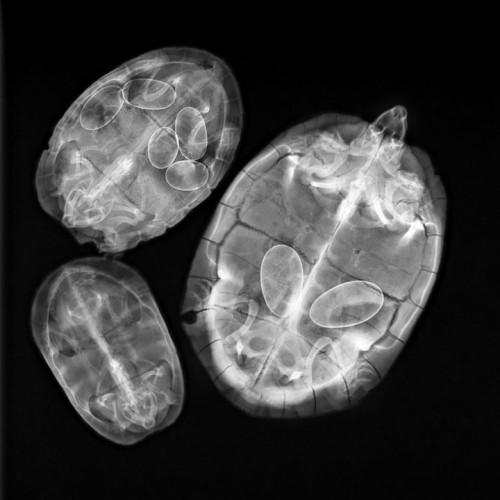
“Turtle Eggs” 2011, carbon inkjet on paper, 24 x 24 inches, courtesy Galeria Tempo, Rio
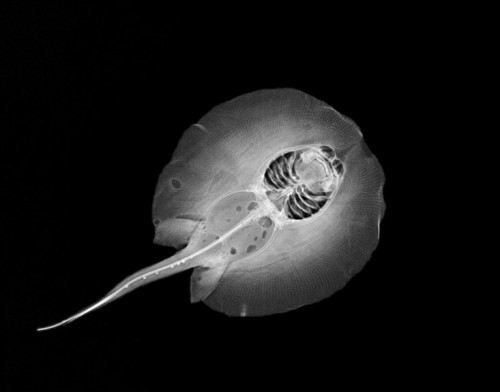
“Ray” 2011, carbon inkjet on paper, 24 x 29 inches, courtesy Galeria Tempo, Rio
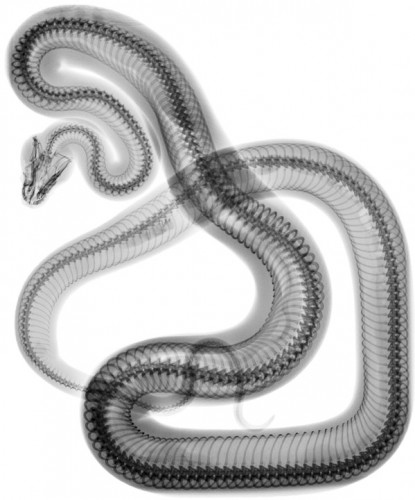
“Snake” 2010, carbon inkjet on paper, 29 x 24 inches, courtesy Galeria Tempo, Rio
Press:
Rio Times, ”Machinarium, Technological Art in Ipanema”, July 16, 2013, by Levi Michaels
Installation shots:
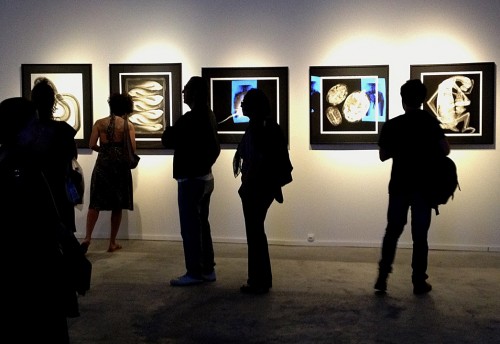
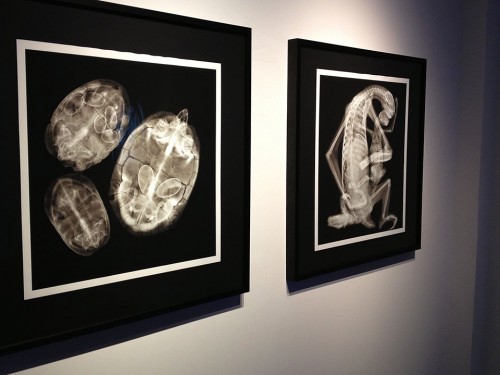

“Summertime Salon 2013” Robin Rice Gallery, New York, June 26th-September 15th, 2013
Summertime Salon 2013
Robin Rice Gallery, 325 West 11th Street | New York, NY 10014 Tel 212 366 6660
(between Washington and Greenwich Streets)
Wednesday–Sunday12–7 p.m.
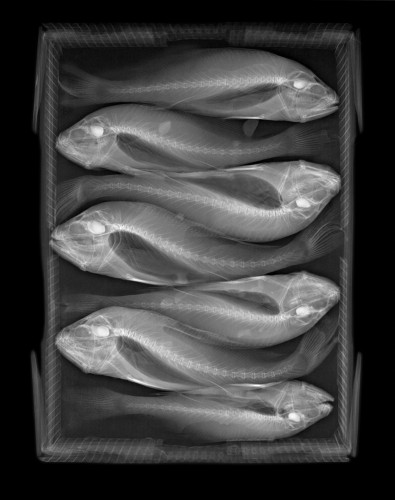
SUMMERTIME salon 2013 JUNE 26th -SEPTEMBER 15, 2013
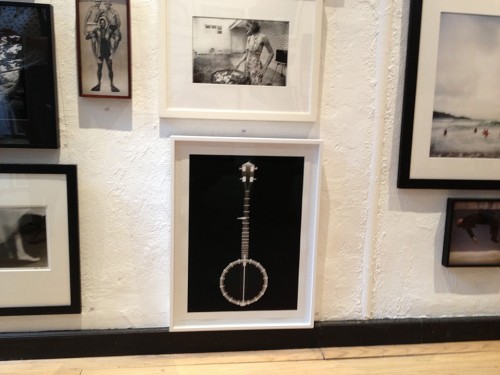
The Robin Rice Gallery proudly announces SUMMERTIME Salon 2013, an annual photography exhibit featuring gallery artists as well as a few newcomers. This year’s show opening reception will be held on June 26th, 5:30 to 8:30 p.m. and will be displayed until September 15th.
Marrying tasteful photographs with a common theme, Rice’s aesthetic captures the perfect image of summer. When one thinks of the summertime, a million different smells, sights, sounds, and memories manifest. The gallery does just that with its annual show, displaying a diversity of styles, themes, nuances, and artist techniques.
Rice curates 54 artists’ handiwork with sensitivity and honesty. “This is my favorite exhibit even though it takes months to curate and a week to install. It is my curatorial showcase. I love the moment when the viewer is first drawn to an image,” says Rice. “Sometimes it’s indefinable; a moment when the viewer not only shares but also reconnects to an experience remembered.”
This year’s invitational image, Swimmer Cap by Greg Lotus emphasizes viewer eye movement through the use of hyper-realistic colors in vibrant swim headwear. A beautifully composed image that is influenced by fashion photography plays with a melodrama belied by the bright, animated color. Three young women pose in a retro gym, two of them distant and one up close captivating the viewer with intense regard that dares you to look further.
Rice’s forte is putting images together eclectic in form and style that all live together like her own personal collection. Crafted salon style from floor to ceiling; photographs of various sizes, colors, and shapes are juxtaposed like a puzzle that uniquely works. Refreshing beach landscapes and nostalgia of summertime recreation exist in an expert balance populating the gallery walls. The photographs are a feast for the senses, there is something for everyone; they pull you into an environment, an emotion, a familiar place. Viewers are invited to step into the diverse sensations that the season has to offer at Rice’s The Summertime Salon 2013.
Participating artists:
Ted Adams, Thomas Alleman, Victoria Amore, Craig Barber, Dorothee Brand, Todd Burris, Roger Camp, Paul Christensen, Lynda Churilla, Lance Clayton, Christine Cody, Paul Dagys, John Dolan, Joanne Dugan, Richie Fahey, Stewart Ferebee, Mindaugas Gabrenas, Barbara Gentile, Isabella Ginaneschi, Gladys, Ron Harnard, Cig Harvey, Jefferson Hayman, Patricia Heal, Benjamin Heller, Melissa Incampo, H. Nazan Isik, Ryan Jackson, Roger Jazilek, Pete Kelly, Haik Kocharian, Greg Lotus, Penelope Mailander, Everett McCourt, Patricia McDonough, Micheal McLaughlin, Steve Miller, RJ Muna, Rosanne Olson, Brian Pearson, Bill Phelps, Jose Picayo, Lauren Pisano, Dalton Portella, Kim Reierson, Robin Rice, Kevin Ryan, Laurence Salzmann, David Saxe, Zack Seckler, Keith Sharp, Mark Sink, Gordon Stettinius, Kathryn Szoka, Tina West, Harriet Zucker.