
About Steve Miller

This author has not yet filled in any details.
So far Steve Miller has created 36 blog entries.

New York Spy, August 2013

steve_miller

X-Ray of Brazil: The Art of Steve Miller

by  • Aug 5, 2013

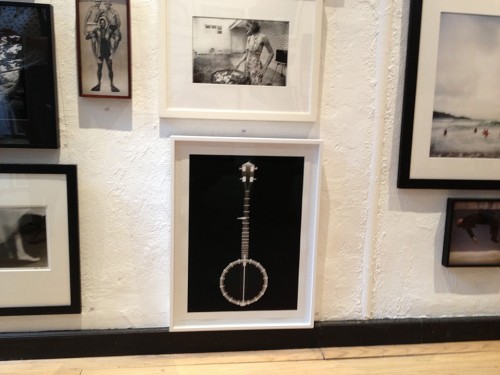
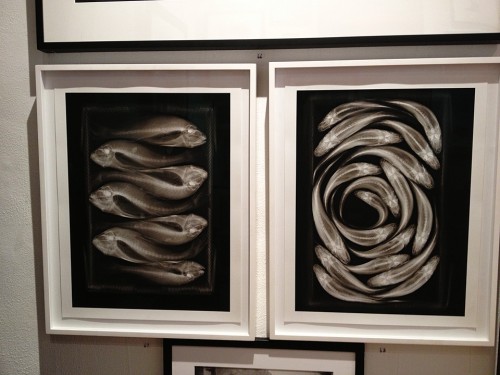
Renowned artist from New York, Steve Miller is a pioneer in using the computer in art. Curious to unravel the functioning of all, he adopted the X-ray machine as new artistic language: since 1993 photography and X-ray slides are seen in his work. Miller customizes images, creating an abstract result. His most recent work is called Health of the Planet and involves the Amazon Rainforest in creating prints that will be used by the Brazilian brand Osklen collection in 2013. In New York, Steve Miller spoke with Miriam Spritzer.
O artista norte-americano Steve Miller

Steve Miller

In a Portuguese almost as Brazilian as mine, Miller says he wanted to do a medical check up on the Amazon. The idea was to show to the world the different species of animals and plants of the region, in a more artistic and unusual way – hence the use of X-ray. The prints were so interesting and beautiful that it didn’t take long before Osklen wanted to incorporate it to it’s collection.

How did you end up in Brazil?

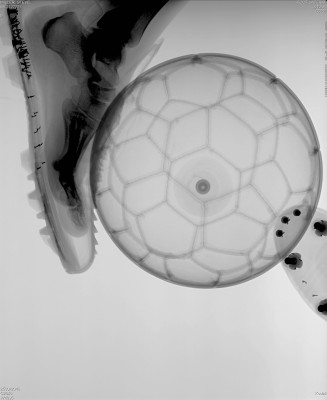
I first went to Brazil in 2005, along with other artists, we were invited by Nessia Leonzini (Pope), a Brazilian curator living in NY. She was putting together an affordable art fair – I contributed with a piece that was the X-ray of a foot kicking a soccer ball. During this trip I went to Rio, São Paulo and Salvador. I had the wish to spend more time in the country, but would have to have some idea to work in Brazil. Then at Ilha Grande I came across a jackfruit. I was so impressed! I have never seen anything like this before. So I started to wonder what would be inside of it and thought it would be cool to do an x-ray of this fruit. Then I decided that if the Amazon are the lungs of the world, as many say, I would make a medical check up in Brazil with an X-ray in his lung.
Tell us a little bit about the backstage of your work in Brasil.

The project had two phases. I started in São Paulo, making images of plants. Then moved to Pará, to do the work with the animals. I had lots of help from local artists and the people who worked in hospitals, producing the x-ray images. Generally we started at 6 pm and finished up the X-rays by dawn. We also did remote sensing image with a satellite of the Amazon Basin, for example.
Was there any cultural shock with the Brazilian culture?

For sure! We saw exactly what Brazil really is. In São Paulo things were fast, but it took three years for me to get the whole structure set in Belém do Pará, it was where I needed a larger structure – a zoo and a hospital. The radiologist Otávio Lobo was extremely important for the implementation of the project and was responsible for the best radiology center I have ever seen. Also I had the help of a student of mine, the Brazilian, Fabricio Branda. But it was very complicated to make it all happen, both by cultural differences and by language. Two examples: The first time I arranged with the zoo’s director, he did not show up at the appointed time (with time I learned that it is a little part of Brazilian culture). And, on the other hand, although Otávio only have an appointment at the hotel, he gave us a real tour of the city, took us to dinner, introduced us to people. Anyway, it was the definition of Brazilian hospitality.

Steve Miller for Osklen

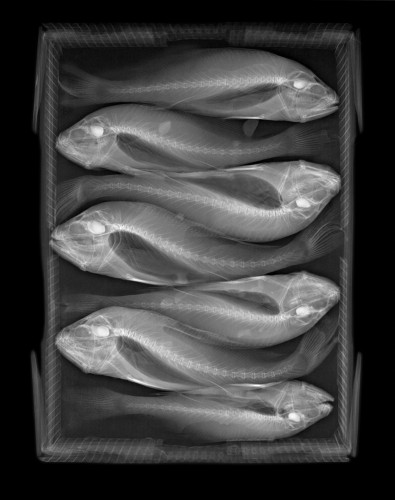
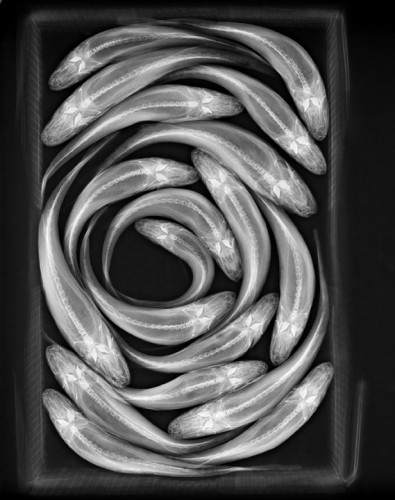
How did you choose what you were going to X-ray?Besides the typical animals of the Amazon – Alligator, piranhas, sloths and anteaters – I chose everything I thought interesting or curious, or that could create a good image. The jackfruit ended up being very similar to the human lung, for example. On the public market of Belem, we bought all kinds of fish. And the zoo we had the help of a veterinarian to select the animals and also plan how to get them.
What did you find most impressive during this work in Brasil?

The size of the flower market in São Paulo. It is gigantic! Furthermore, the amount of different species that could be found there or at the Belém Zoo. We did a boat trip on the Amazon River, and that feeling of being inside the forest is inexplicable. I admit too that really wanted to take an anteater home, they are cutest things, but of course it is not possible. On the negative side, I was very surprised at the lack of structure in some places: the zoo of Belém did not have any kind of documentation about the animals, much less X-ray machines for their health.
How did the partnership with Osklen begin?

I already knew Osklen for a while, used to always buy something there when I went to Brazil. When I had the idea for the project I thought it would be interesting to have these images in shirts and shorts, and even more because the company has the approach to be socially responsible. By chance I met Oskar Metsavaht at Brazil Foundation gala we were introduced and I did not know that he was the designer brand. We talked and he told me he had recently gone to Belém in search of fabrics for clothing. It was then that I discovered that he was the Osklen’s Oskar! So I said: “I have a great idea for you”. And so the partnership happened.
* This article was originally published on RMmag.

New York Spy, August 20132013-09-22T21:17:59-04:00

“Machinarium”, Oi Futuro Ipanema, Rio de Janeiro, July 13th-September 8th 2013

“Sloth Pieta” 2011, carbon inkjet on paper, 26 x 24 inches, courtesy Galeria Tempo, Rio

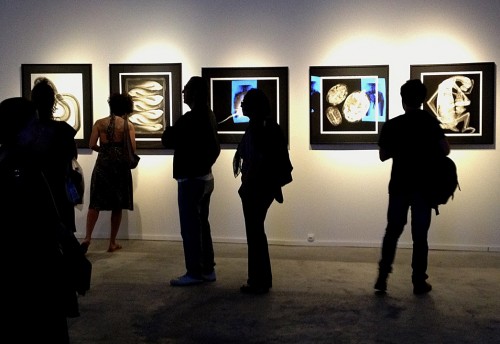
Oi Futuro Ipanema, “Machinarium”

July 13 – September 8, 2013

54 Rua Visconde de Piraja, Ipanema, Rio de Janeiro

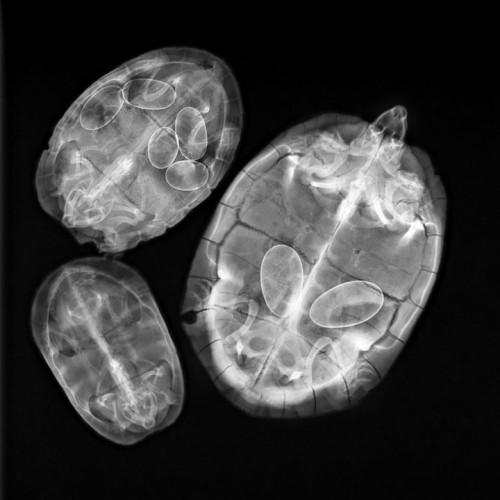
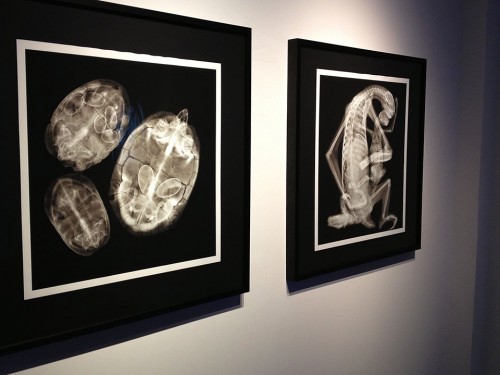
“Turtle Eggs” 2011, carbon inkjet on paper, 24 x 24 inches, courtesy Galeria Tempo, Rio

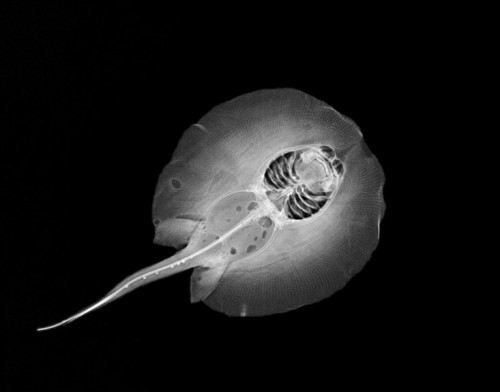
“Ray” 2011, carbon inkjet on paper, 24 x 29 inches, courtesy Galeria Tempo, Rio

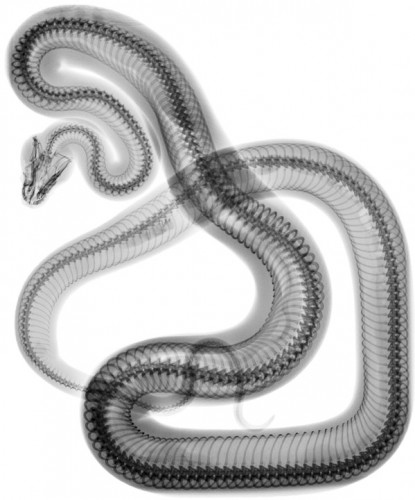
“Snake” 2010, carbon inkjet on paper, 29 x 24 inches, courtesy Galeria Tempo, Rio

Press:

Rio Times, ”Machinarium, Technological Art in Ipanema”, July 16, 2013, by Levi Michaels

Installation shots:

“Machinarium”, Oi Futuro Ipanema, Rio de Janeiro, July 13th-September 8th 20132013-09-23T00:48:59-04:00

“Summertime Salon 2013” Robin Rice Gallery, New York, June 26th-September 15th, 2013

Summertime Salon 2013

Robin Rice Gallery, 325 West 11th Street | New York, NY 10014  Tel212 366 6660

(between Washington and Greenwich Streets)

Wednesday–Sunday12–7 p.m.

SUMMERTIME salon 2013      JUNE 26th -SEPTEMBER 15, 2013

The Robin Rice Gallery proudly announces SUMMERTIME Salon 2013, an annual photography exhibit featuring gallery artists as well as a few newcomers. This year’s show opening reception will be held on June 26th, 5:30 to 8:30 p.m. and will be displayed until September 15th.

Marrying tasteful photographs with a common theme, Rice’s aesthetic captures the perfect image of summer. When one thinks of the summertime, a million different smells, sights, sounds, and memories manifest. The gallery does just that with its annual show, displaying a diversity of styles, themes, nuances, and artist techniques.

Rice curates 54 artists’ handiwork with sensitivity and honesty. “This is my favorite exhibit even though it takes months to curate and a week to install. It is my curatorial showcase. I love the moment when the viewer is first drawn to an image,” says Rice. “Sometimes it’s indefinable; a moment when the viewer not only shares but also reconnects to an experience remembered.”

This year’s invitational image, Swimmer Cap by Greg Lotus emphasizes viewer eye movement through the use of hyper-realistic colors in vibrant swim headwear. A beautifully composed image that is influenced by fashion photography plays with a melodrama belied by the bright, animated color. Three young women pose in a retro gym, two of them distant and one up close captivating the viewer with intense regard that dares you to look further.

Rice’s forte is putting images together eclectic in form and style that all live together like her own personal collection. Crafted salon style from floor to ceiling; photographs of various sizes, colors, and shapes are juxtaposed like a puzzle that uniquely works. Refreshing beach landscapes and nostalgia of summertime recreation exist in an expert balance populating the gallery walls. The photographs are a feast for the senses, there is something for everyone; they pull you into an environment, an emotion, a familiar place. Viewers are invited to step into the diverse sensations that the season has to offer at Rice’s The Summertime Salon 2013.

Participating artists:

Ted Adams, Thomas Alleman, Victoria Amore, Craig Barber, Dorothee Brand, Todd Burris, Roger Camp, Paul Christensen, Lynda Churilla, Lance Clayton, Christine Cody, Paul Dagys, John Dolan, Joanne Dugan, Richie Fahey, Stewart Ferebee, Mindaugas Gabrenas, Barbara Gentile, Isabella Ginaneschi, Gladys, Ron Harnard, Cig Harvey, Jefferson Hayman, Patricia Heal, Benjamin Heller, Melissa Incampo, H. Nazan Isik, Ryan Jackson, Roger Jazilek, Pete Kelly, Haik Kocharian, Greg Lotus, Penelope Mailander, Everett McCourt, Patricia McDonough, Micheal McLaughlin, Steve Miller, RJ Muna, Rosanne Olson, Brian Pearson, Bill Phelps, Jose Picayo, Lauren Pisano, Dalton Portella, Kim Reierson, Robin Rice, Kevin Ryan, Laurence Salzmann, David Saxe, Zack Seckler, Keith Sharp, Mark Sink, Gordon Stettinius, Kathryn Szoka, Tina West, Harriet Zucker.


“Summertime Salon 2013” Robin Rice Gallery, New York, June 26th-September 15th, 20132013-10-10T20:39:26-04:00

In memory of Simon Lane

The French Internet site visuelimage.com is hosting a compendium of memorials to Simon Lane organized by Gerard-Georges Lemaire. At the request of Gerard-Georges, I willingly added to this group of memories about Simon which was translated into French on the Visuel Image web site. Below is the original English text.

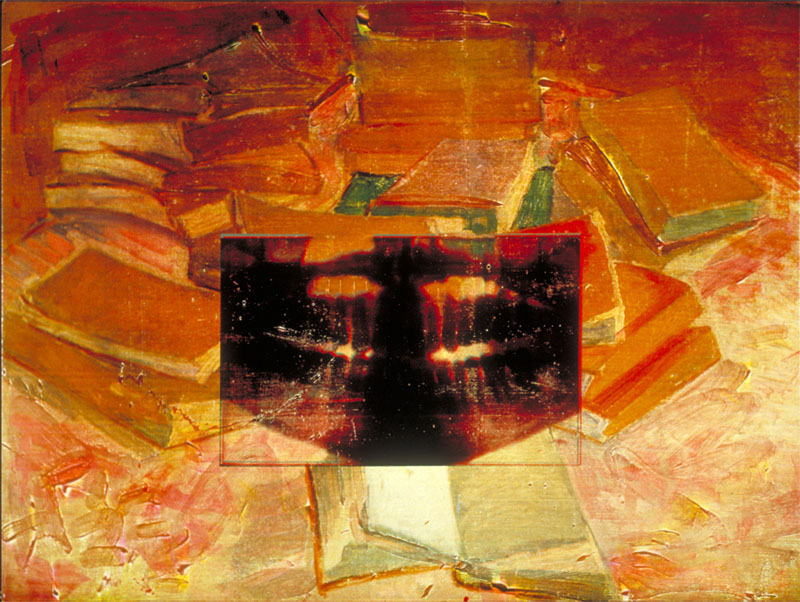
Simon also wrote one of my catalogs for my 1993 solo Paris exhibition at A.B. Galeries. This exhibition included a portrait I made of “Simon Lane” 1993. acrylic and silk-screen on canvas. 40 x 54 inches, 138 x 102 cm. private collection, Paris.

I first saw Simon Lane at the bar of the Chelsea Arts Club in 1988. The next night, by chance, we met in Paris. We became life long friends. Between that night in Paris until the end, were a plethora of escapades in Paris, New York and Rio. In Paris he owned the town; Balzar, Cafe de Flore, Chez Omar. In the Hamptons he held court at a local writer’s haunt, the American Hotel, . We endured a winter of snow, our work and an aging fleet of vehicles long past retirement. Eventually the party moved to Rio. The Paris cafe, where we always met, was replaced by a kiosk on the shores of Sao Corrado for coco gelo and a beer. Simon my guide to Paris was now the concierge of Rio. He generously introduced me to my Rio gallery, Galeria Tempo .
There was no more fun person to be with than Simon. The evening could end in disaster or triumph and I experienced both. Unfairly handsome beyond reason, a ladies man, a wit, a performer with a passion for life that knows no rival. He had the MOST positive attitude and optimistic outlook. He was a total gentleman of the old world and loyal to the end. His last illness was Simon’s 3rd time with cancer. He was grateful to be alive and knew for several years he was living on borrowed time. I never saw pity or regret.
I can proudly say, I have probably read everything Simon has written including all of his novels, the elusive “Slap Shield Saga” and a few unpublished works. When I was enchanted by “Still Life with Books”, I passed it, with great enthusiasm, to Warren and Barbara Phillips who published it along with his next book, “Fear.” Now, I am deep into Simon’s last book, “Brazil, Eternal Promise.”
Brazil is full of mysteries which only Simon could excavate with his keen ear, an astute eye and a brilliant quill. His previous life in Portugal gave him a head start on his language skills in Brazil as well as an understanding of the European source of the Portuguese influence on the history of Brazil. As a frequent visitor to Brazil, I received Simon’s guidance to the nuances of the culture, by teaching me useful Portuguese phrases (mostly to flatter the opposite sex) as well as the intricacies of trying to get a cell phone, which was a lesson in patience. That was a two day adventure ending up at an Oi (Brazilian telephone company) store in Sao Corrado having the female Oi representatives rolling with laughter but, alas, no cell phone. He was the king of the local churrascaria, a Brazilian eating experience unknown to me. There is a protocol to ordering the food and how to have the unlimited supply of meat served to you until you beg for the end of the meal with a cafe or digestif.
On a deeper level, Simon was a poet and immersed not only in the Portuguese language but the poetic tradition of Brazil’s greatest writers starting with Luis de Camoes. Through his friendship with Tunga, Simon met Gerardo Mello Mourao one of Brazils finest poets of the 20th century.. He introduced me to several Brazilian writers and I could hardly put down the books of Jorge Amado. I read one every year on the beach in Bahia where I stayed not far from Amado’s home in Ilheus. Simon also gave me my introduction to the history of Brazil and the intriguing story of the arrival of the Portuguese Royal Court in 1808. He never stopped studying the great Brazilian poets and respected them for creating the doorways through which a true cultural understanding could be achieved.
Another of Simon’s entry points is through the music of Bahia and particularly Caetano Veloso. Samba, Bosa Nova and Tropicalia are born from the depths of slavery, evolve in Rio’s favelas and eventually emerging as political protest in the Tropicalia movement. This musical tradition is one of Brazil’s great gifts to the world. Indeed, Simon gives credit to Caetano and asks his permission to use “Brazil, Eteral Promise” as the title to his book. With this base of knowledge and over a decade of living in Brazil, Simon gives the reader the privilege of a heartfelt connection to a vast nation with the poet’s eye to observe and hear the language, study the history, the customs and reveal the sensual tropical surrealism that makes Brazil a fascination for the world.
What distinguishes “Brazil, Eternal Promise” from Simon’s other books is his replacement of a fictive narration by an astute and personal commentary. His clear voice captivates as it illuminates. The structure is a collection of vignettes that could be read in any order. It is easy and compelling to keep going back and rereading previous passages. The pleasure of reading is so great that you feel the need to read slowly and savor every word. I am reluctant to finish the book. As if it is impossible to say goodbye. Indeed, Simon clarifies this impossible gesture of “not saying goodbye” in the following passage from “Brazil, Eternal Promise.

“Parting under any circumstances here is essentially dramatic and filled with
trepidation, an inevitable and melancholy affair that is no less painful for being
drawn out over much time, so that an initial, tentative rise from the sofa to the
vertical followed by inevitable relapse to the seated position. Pursuant to further
returns to either the vertical and the seated, an almost infinite number of
backward steps must be taken before the visitor and host have gained the
vicinity of the front door, at which point a general stasis will be created, the
magnetic pull which is the implied exit countered by renewed manifestations of
affection and an almost unbearably poignant sequence of embraces, kisses to the
cheek and renewed laughter culminating in the final act itself, the door left open
so that either host or guest can summarily reunite on the threshold or back
within the house………Not so much sweet sorrow as sorrow postponed, for eventually
the whole process will be repeated and heavy hearts accompany all involved as the party,
alas, becomes something no longer to be enjoyed but simply remembered, until the next time.”

And so I read this book slowly, reading the same pages over again to hear Simon’s voice, to keep him near, to get up from the sofa and say goodbye only to sit down again and have another sip of poetry. And while I am almost coming to the end, I cannot bear to finish it.

In memory of Simon Lane2013-04-06T17:09:55-04:00

Solo Exhibition at Galerie Rigassi, Bern, Switzerland

Galerie Rigassi, Bern, Switzerland.
January 9, 2013 through February 27th.

PDF Press Release

Solo Exhibition at Galerie Rigassi, Bern, Switzerland2013-04-02T16:53:29-04:00

Steve Miller at MARCO Monterrey, Mexico

FUTBOL
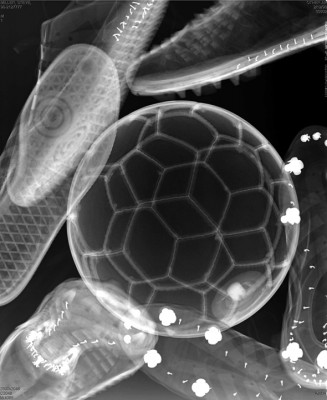
arte y pasiónSteve Miller, Starry Night
Steve Miller, “Starry Night”   courtesy Laumont Editions   
SOCCER:
art and passion

marco: MUSEO DE ARTE CONTEMPORÁNEO DE MONTERREY
Monterrey, Nuevo León, México

November 15, 2012 to March 3, 2013

Steve Miller at MARCO Monterrey, Mexico2012-12-08T20:57:04-05:00
Go to Top